
Choosing Your Kitchen Benchtop
A Guide to Materials, Performance & Price
Your benchtop is one of the hardest-working surfaces in your home. It's where you prep dinner, stack groceries, lean over your morning coffee, and for some of us, let's be honest, where clutter quietly accumulates between cleans. A benchtop should look and perform just as beautifully years from now as it did the day it was installed.
With so many materials on the market, the choice can feel overwhelming. We've put together this guide to break down the most common options available in New Zealand - what they look like, how they perform, what they cost, and who they suit best.
How to read this guide
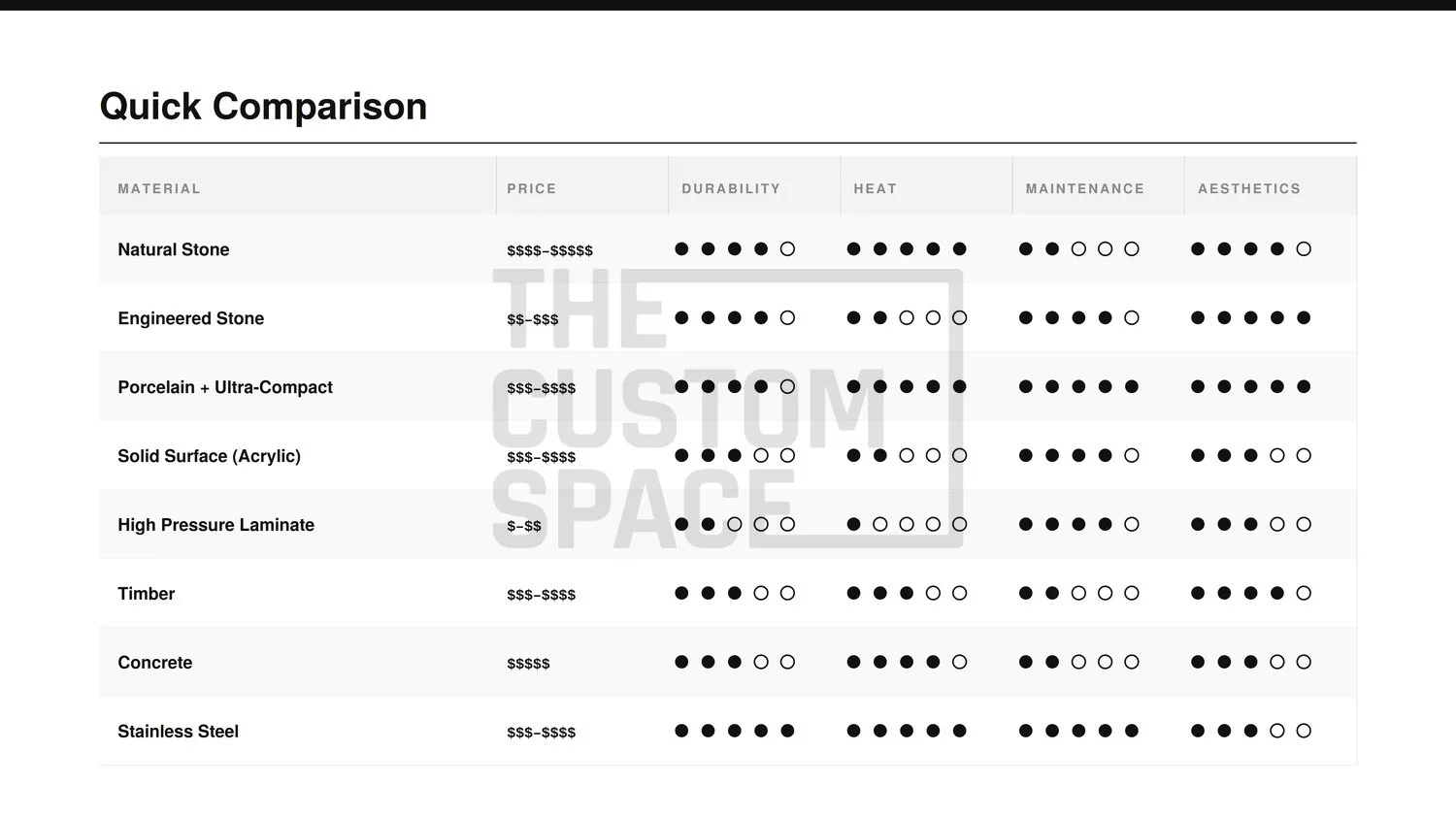
Each material is rated across five key factors:
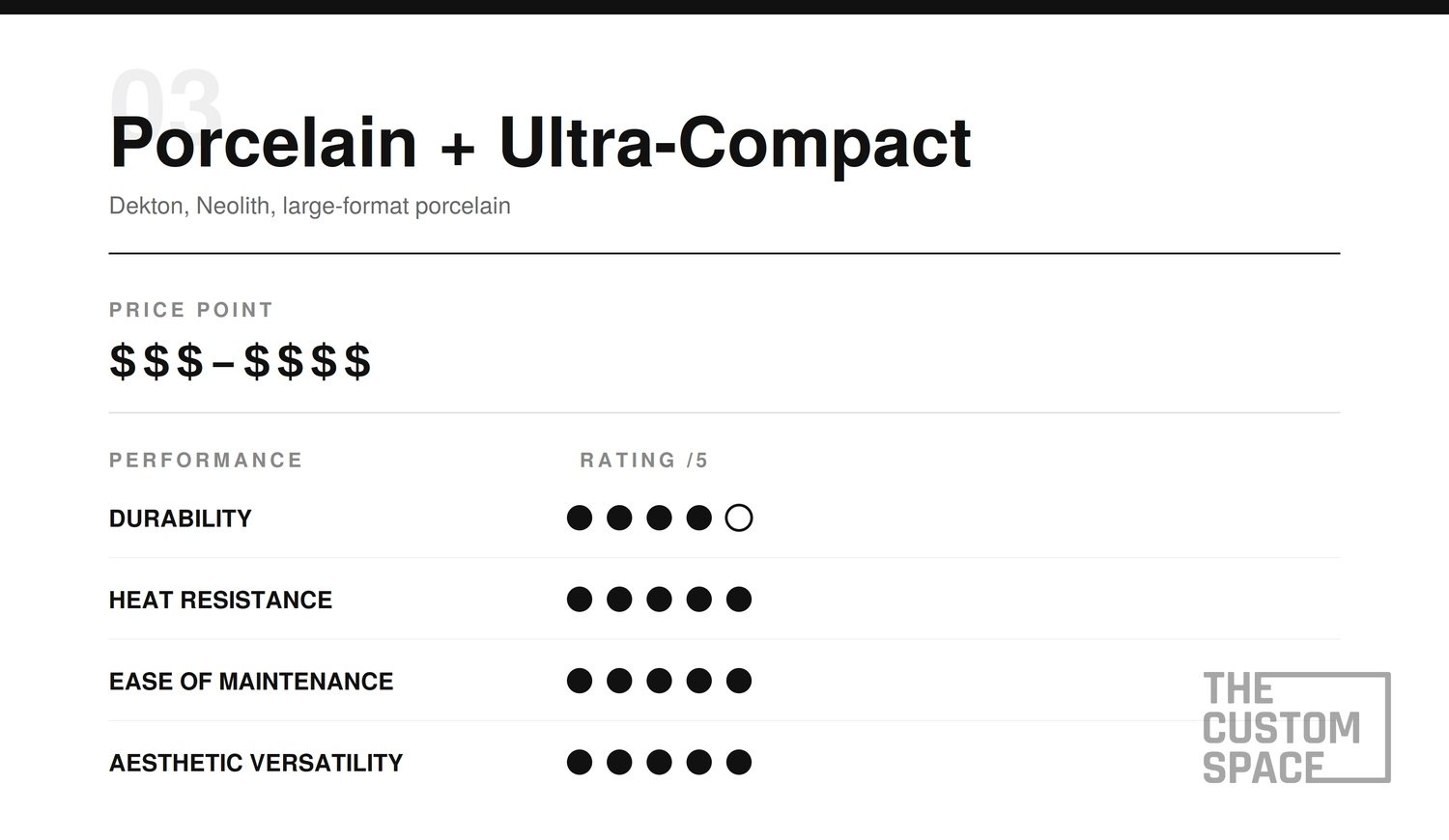
Price Point - $ to $$$$$
Durability - resistance to chips, cracks, scratches and long-term wear
Heat Resistance - how safely you can place hot items on the surface
Ease of Maintenance - day-to-day cleaning and ongoing upkeep requirements
Aesthetic Versatility - how many kitchen styles and colour palettes it works with
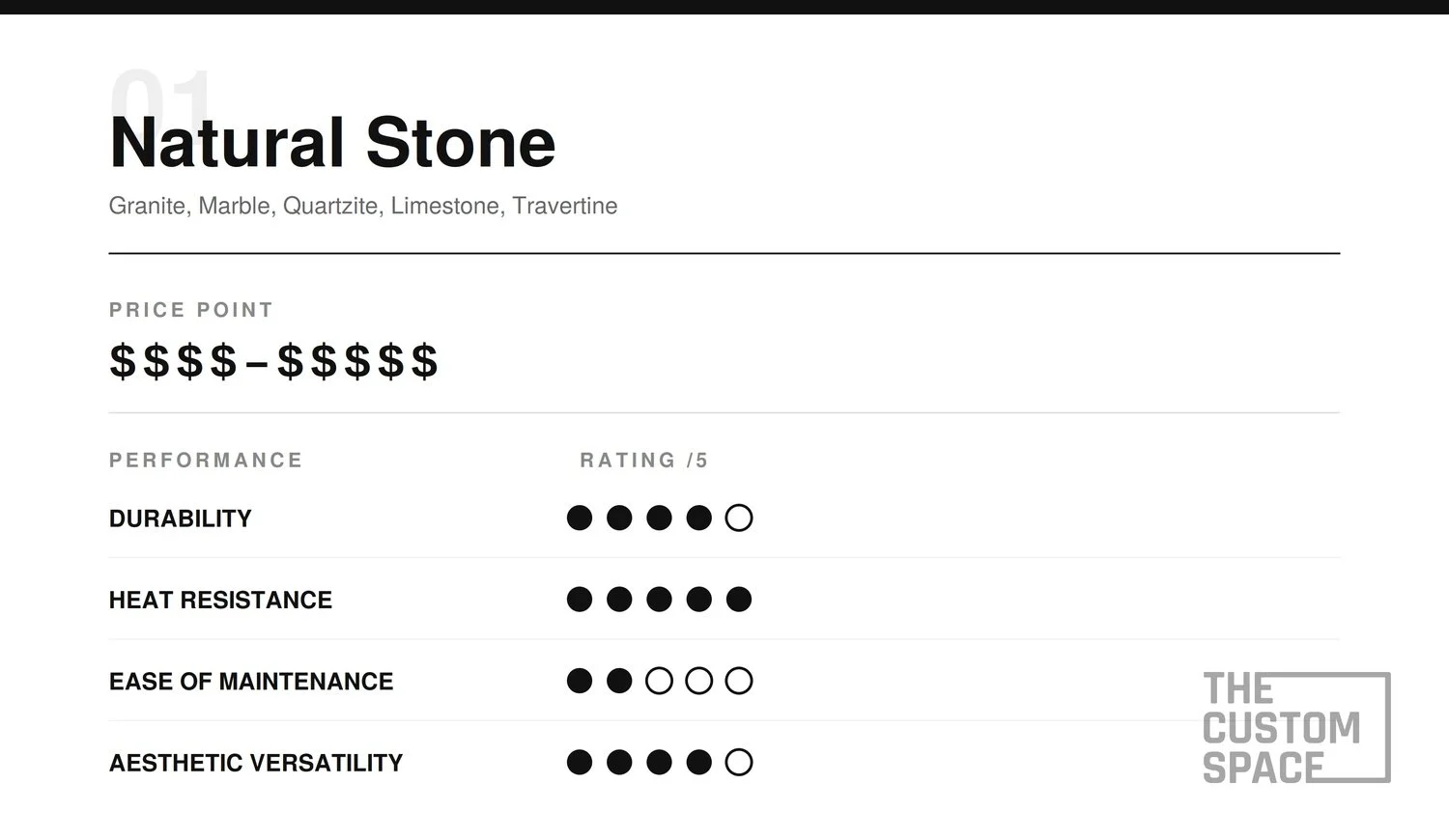

Natural stone is the original premium benchtop and for good reason, every slab is completely unique, cut from the earth and finished to a high standard. Granite is the workhorse of the stone world: dense, hard, and highly resistant to scratching. Marble has an elegance that's hard to replicate, with those distinctive veining patterns that interior designers love. Limestone and travertine are softer, more textured options that suit certain design styles well. The trade-off is maintenance. Natural stone is a porous material, which means it can absorb liquids, stains, and bacteria if not properly sealed. Acidic substances like lemon juice, vinegar, red wine, and some cleaning sprays can etch or dull the surface of softer stones like marble and limestone. Granite is considerably more forgiving in this regard. Depending on the stone and finish, resealing is recommended every one to three years.
The pros
Completely unique - no two slabs are identical
Timeless, high-end aesthetic that adds real value
Granite is very hard and scratch-resistant
Can be refinished or honed if surface damage occurs
Excellent longevity when properly cared for
Things to consider
Requires periodic resealing - more so for softer stones
Marble and limestone can be etched by acids (citrus, wine, vinegar)
Heavy -cabinetry may need reinforcement for large slabs
Higher cost than engineered alternatives
Colour and pattern variation can make matching difficult if repairs are needed
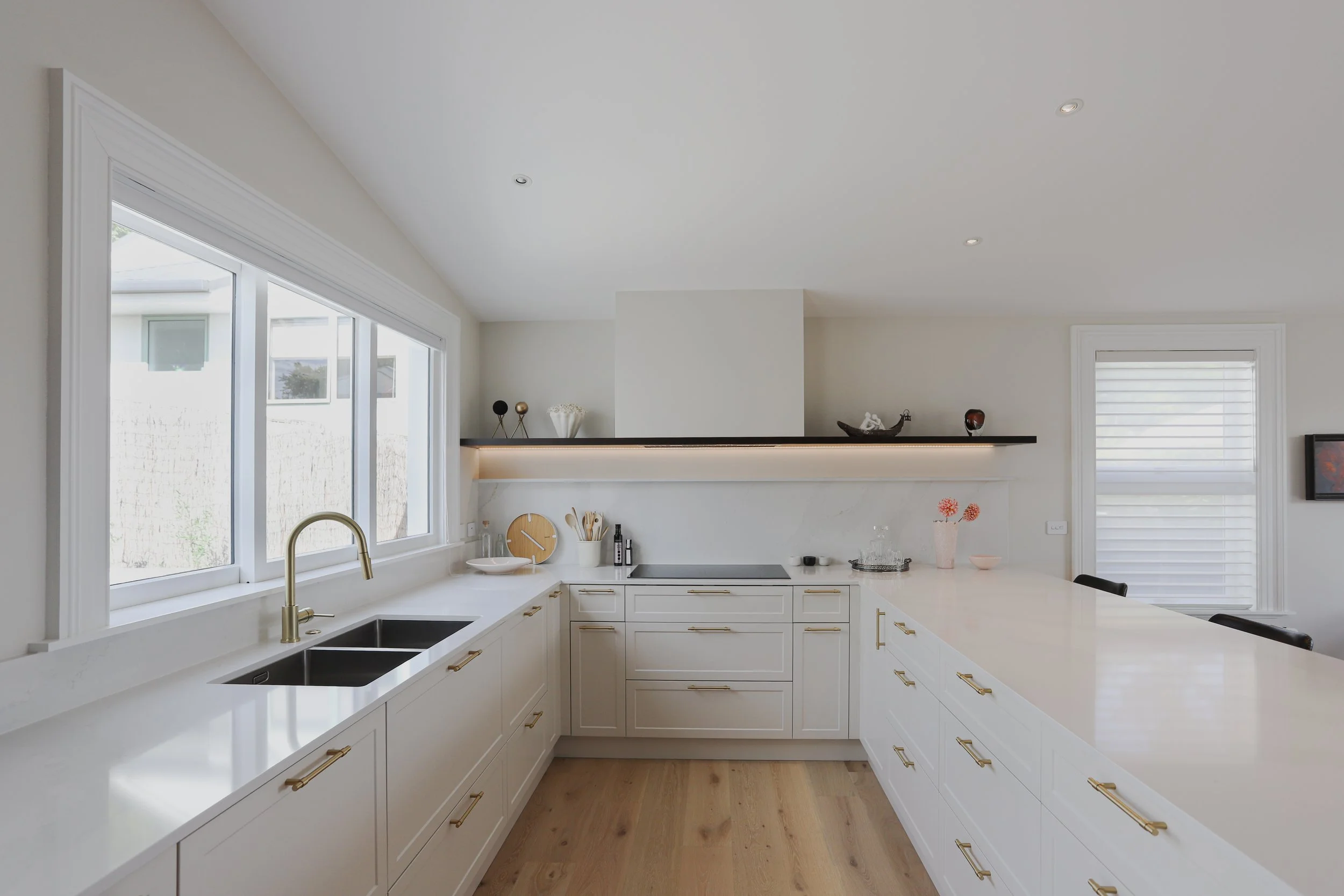
Cosentino Silestone Et Calacatta Gold - In 2020 they launched their revolutionary Hybriq+® technology, which drastically reduced the crystalline silica content in Silestone composition, blending premium minerals with recycled materials to create a new product category: Mineral Low-Silica Surfaces.
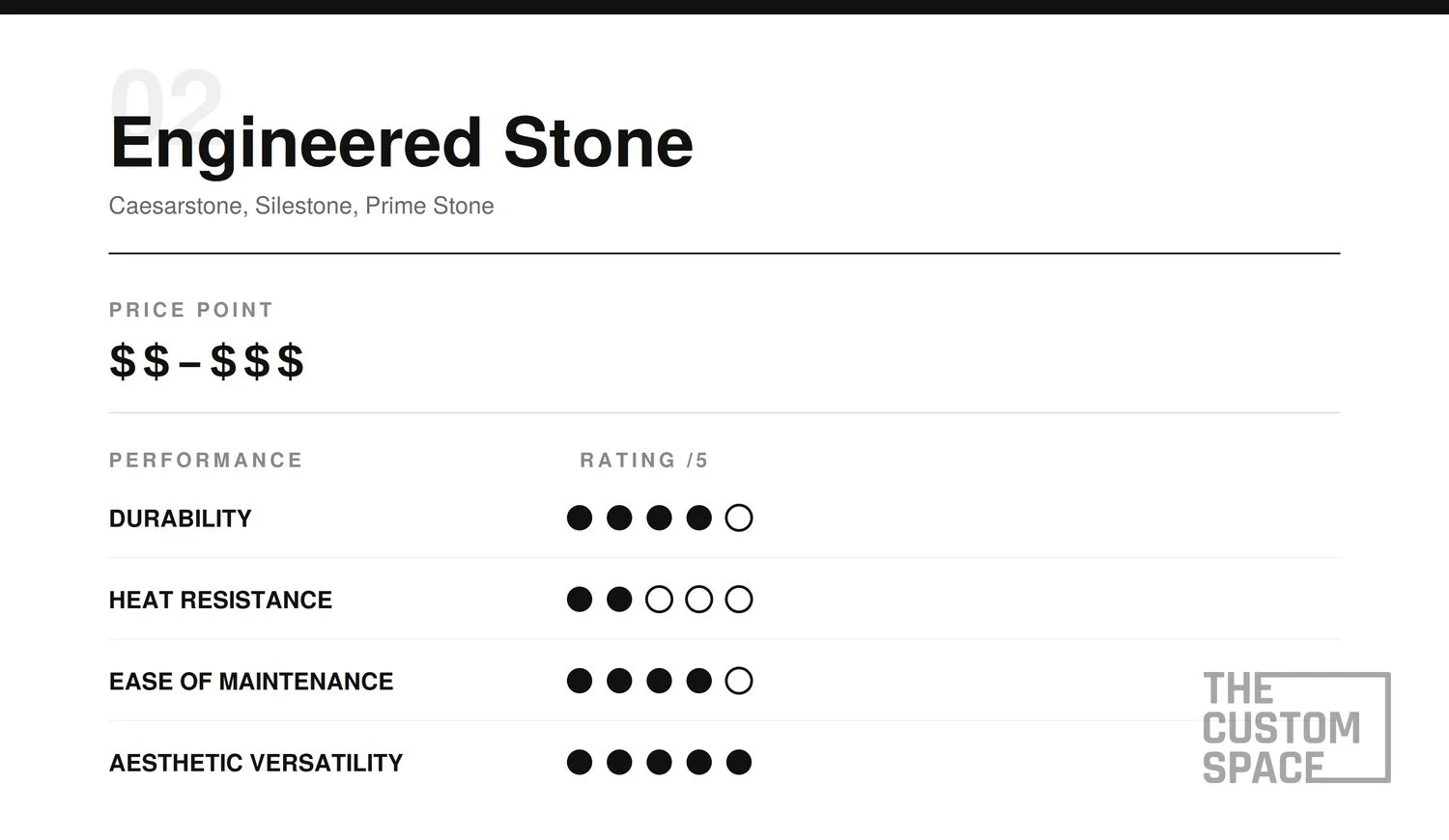
Engineered stone, sometimes called quartz or composite stone - is currently the most popular benchtop material in New Zealand, and it's not hard to see why. It combines the look and feel of natural stone with the consistency and low-maintenance performance of a manufactured product. Made from roughly 90–95% crushed quartz bound with polymer resins, it's non-porous, stain-resistant, and doesn't require sealing. The key limitation is heat. The resin binders in engineered stone can be damaged by high temperatures, meaning you should always use a trivet or heat mat rather than placing hot pots directly on the surface. Cracking and discolouration from heat exposure are among the most common complaints from engineered stone owners, and these repairs can be difficult and costly.
* Note: As of 2024, engineered stone containing crystalline silica is banned for fabrication in Australia due to serious health risks to workers during cutting and installation. New Zealand regulations continue to evolve in this area - it's worth discussing with your joiner or benchtop supplier.
The pros
Non-porous -resists staining without requiring sealing
Consistent colouring and patterning across the slab
Wide range of colours, finishes and styles available
Hard surface - resistant to everyday scratches
Lower maintenance than natural stone
Things to consider
Not heat-resistant -always use a trivet for hot pots and pans
Cannot be used outdoors (UV exposure degrades the resins)
Silica dust regulations are evolving - discuss with your supplier
Less unique than natural stone -consistent look can feel less characterful
Chips and cracks are difficult to repair invisibly
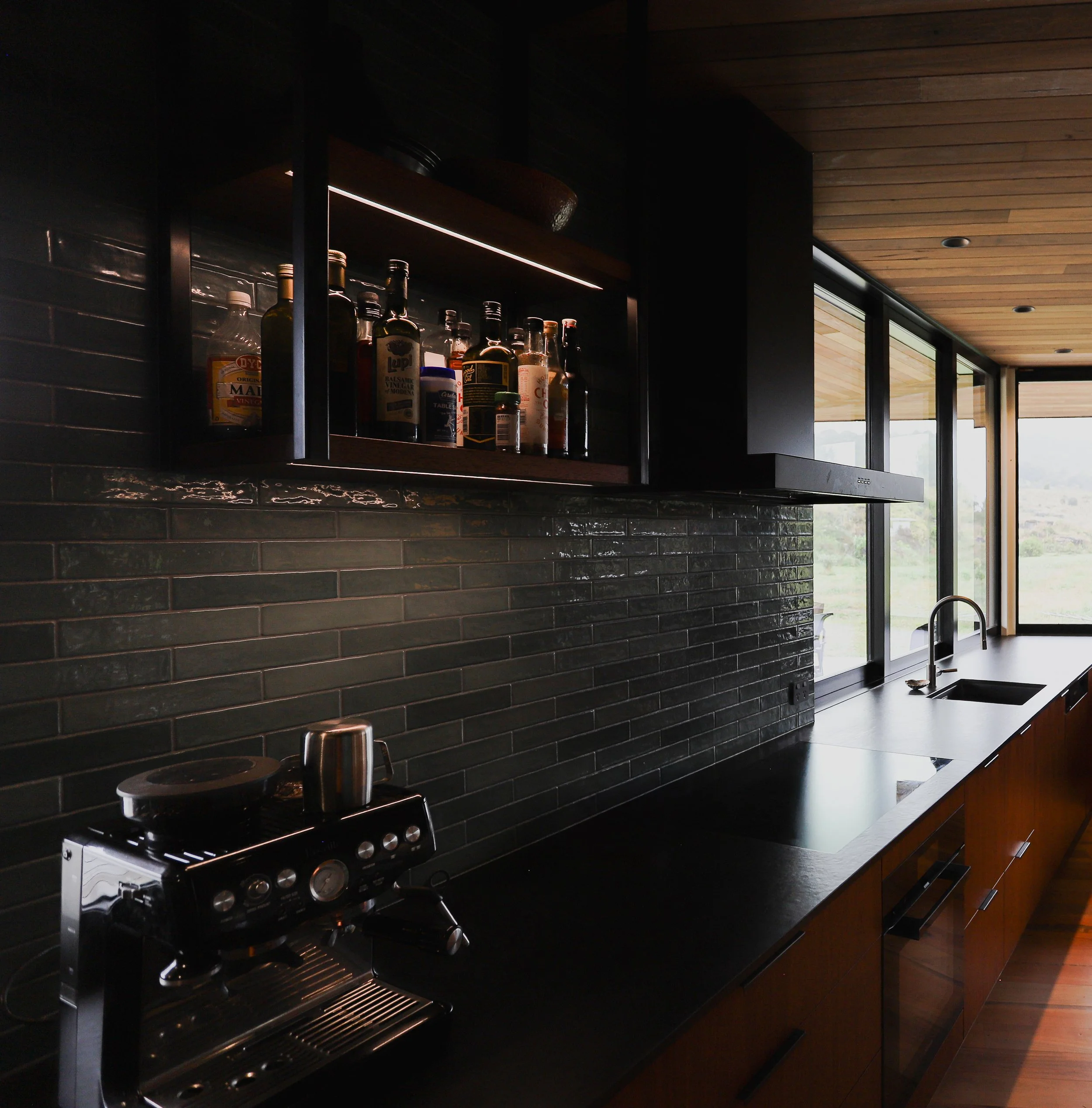
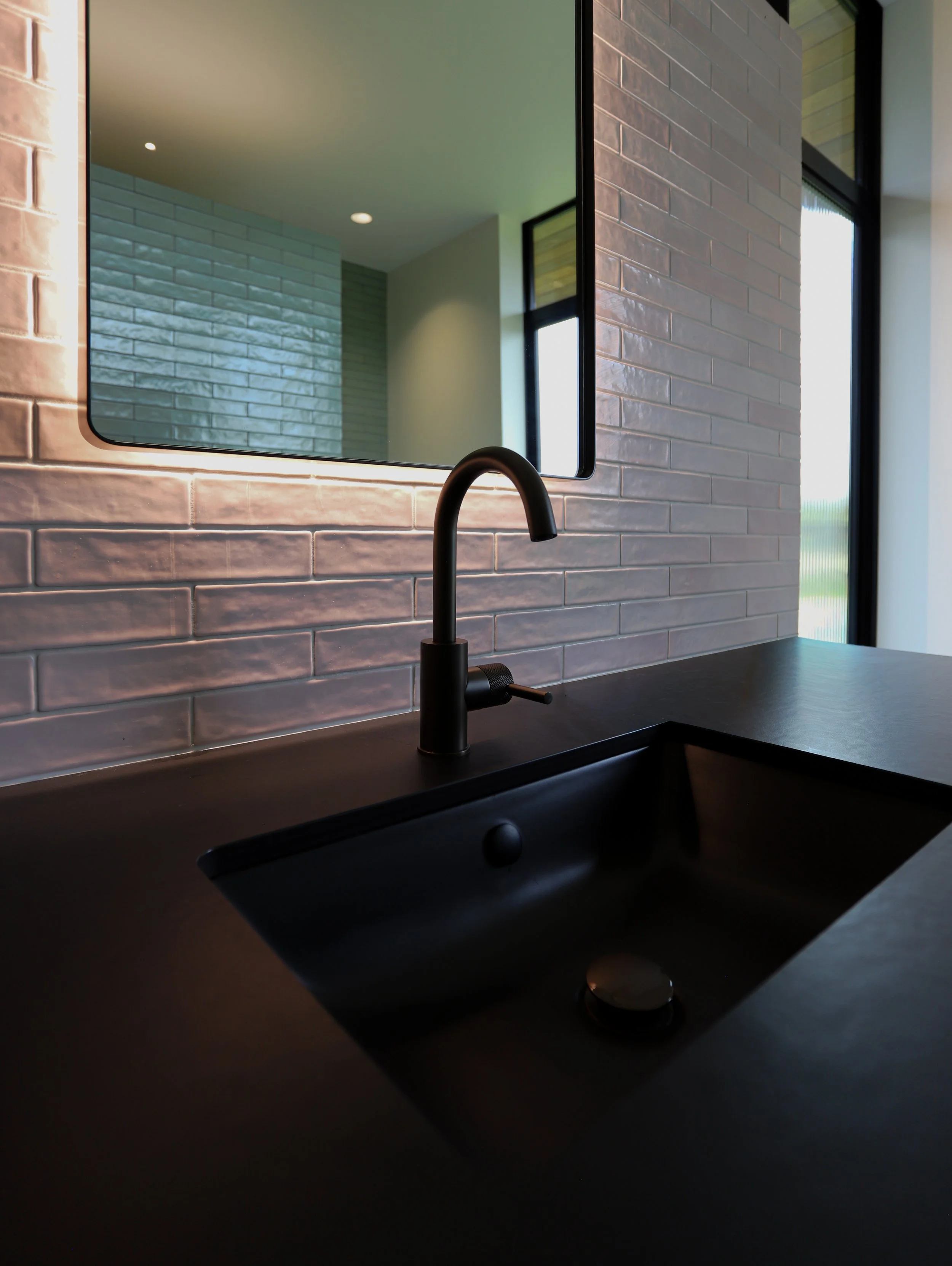
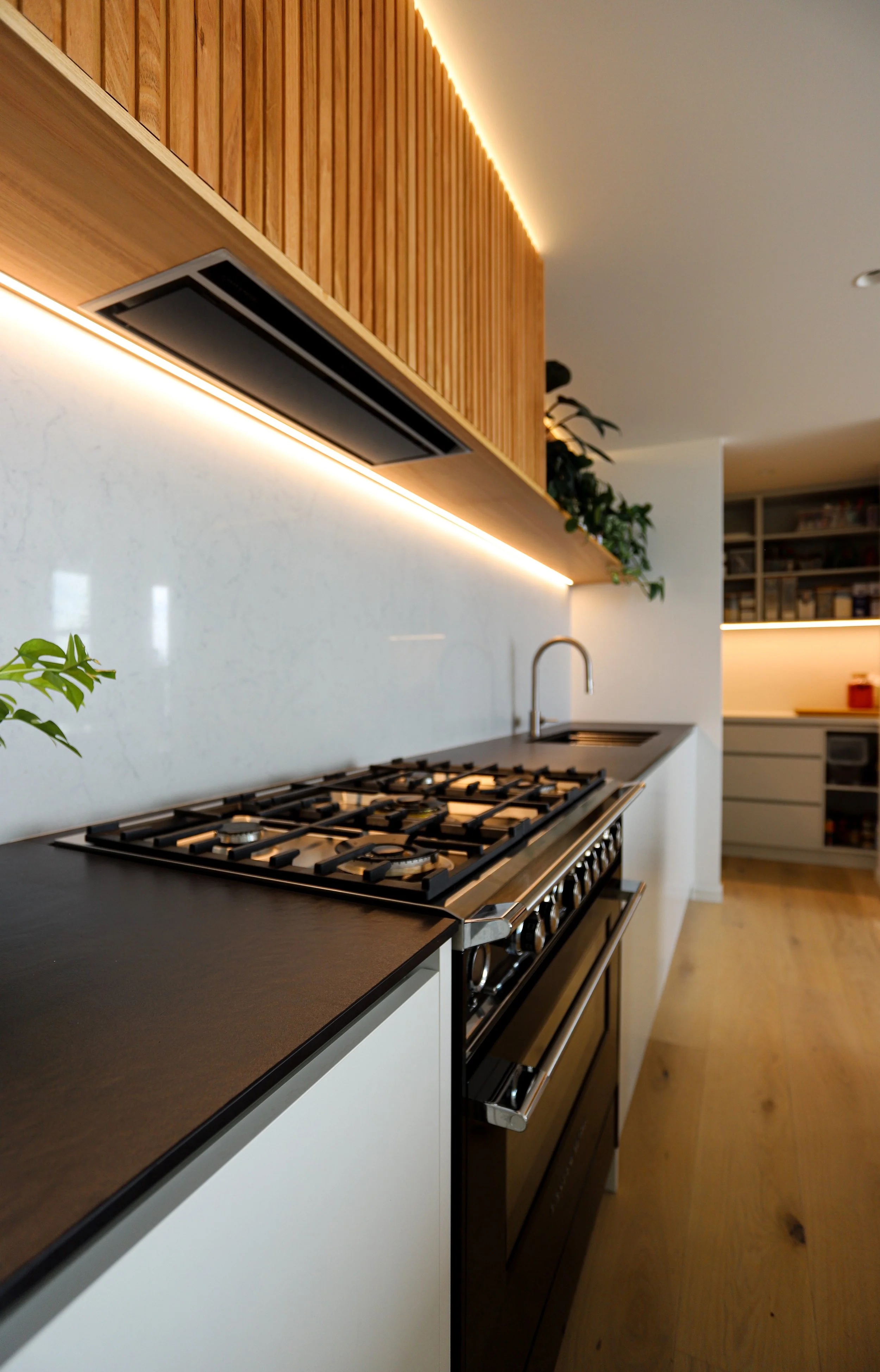
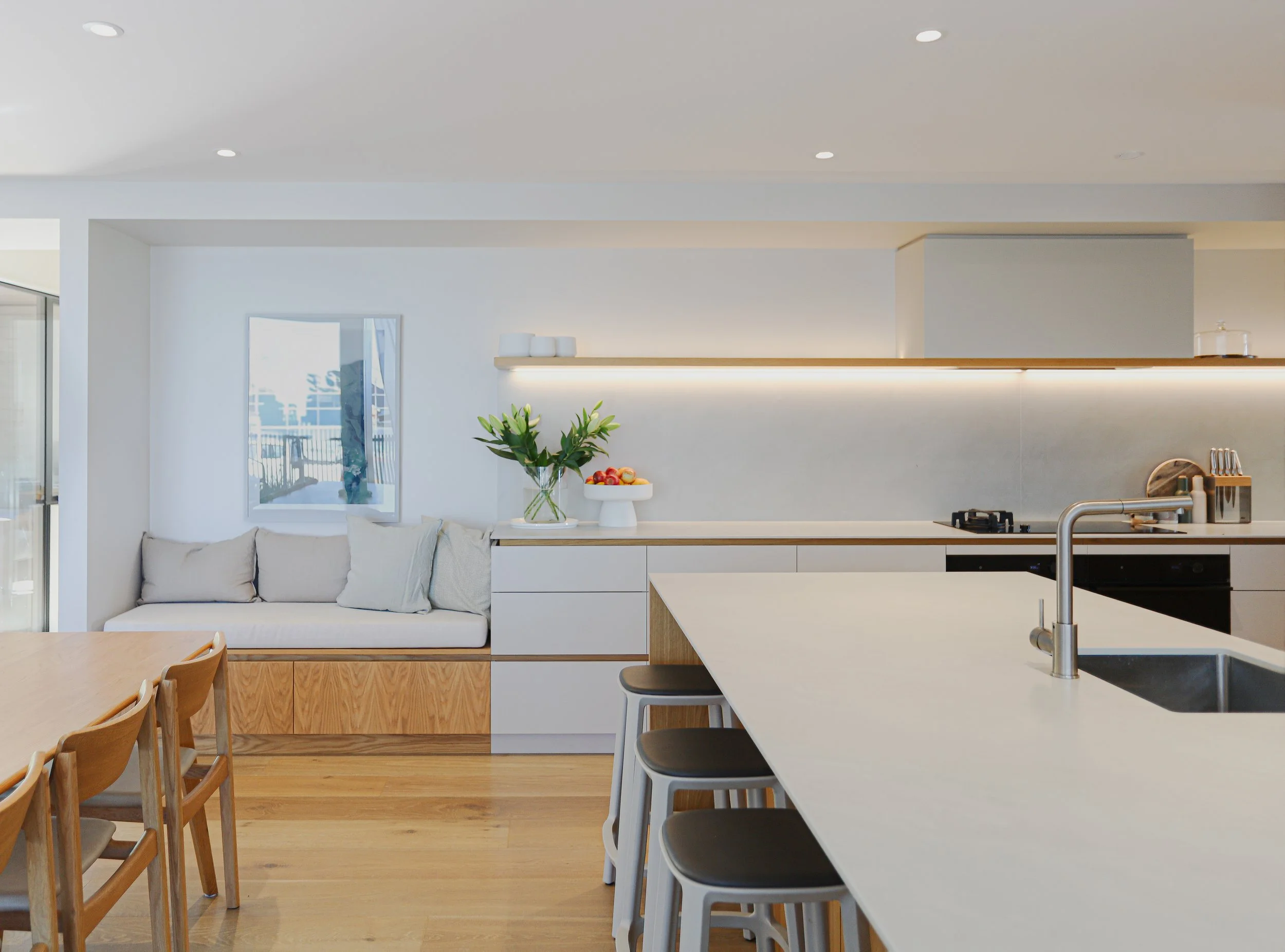
Cosentino Dekton Sirius and Dekton Argentium
Porcelain and ultra-compact surfaces (a category that includes products like Dekton and Neolith) represent the newer end of benchtop technology. These surfaces are made by sintering, a process of applying extreme heat and pressure to a blend of minerals -to produce an extremely dense, non-porous material. The result is a benchtop that is highly resistant to heat, UV, scratches, and stains. One of the standout properties of sintered stone is that it can be used outdoors as well as inside, making it a great choice for alfresco or open-plan entertaining areas. Porcelain slabs are thinner and lighter than natural or engineered stone, which can make them easier to handle and install in some applications. The main consideration is brittleness: porcelain can chip or crack if subjected to sharp impacts, particularly around cut-outs for sinks or appliances, and requires a skilled installer.
The pros
Exceptional heat resistance, hot pots directly on the surface are generally fine
Non-porous and stain-resistant with no sealing required
UV stable, can be used outdoors
Scratch resistant
Very hygienic and easy to clean
Available in large format with minimal joins
Things to consider
Can chip or crack under sharp impact, edges and cut-outs are most vulnerable
Requires skilled installation, not a DIY product
Limited repair options if damage occurs
Some finishes can show fingerprints and water marks
Higher end of the price range
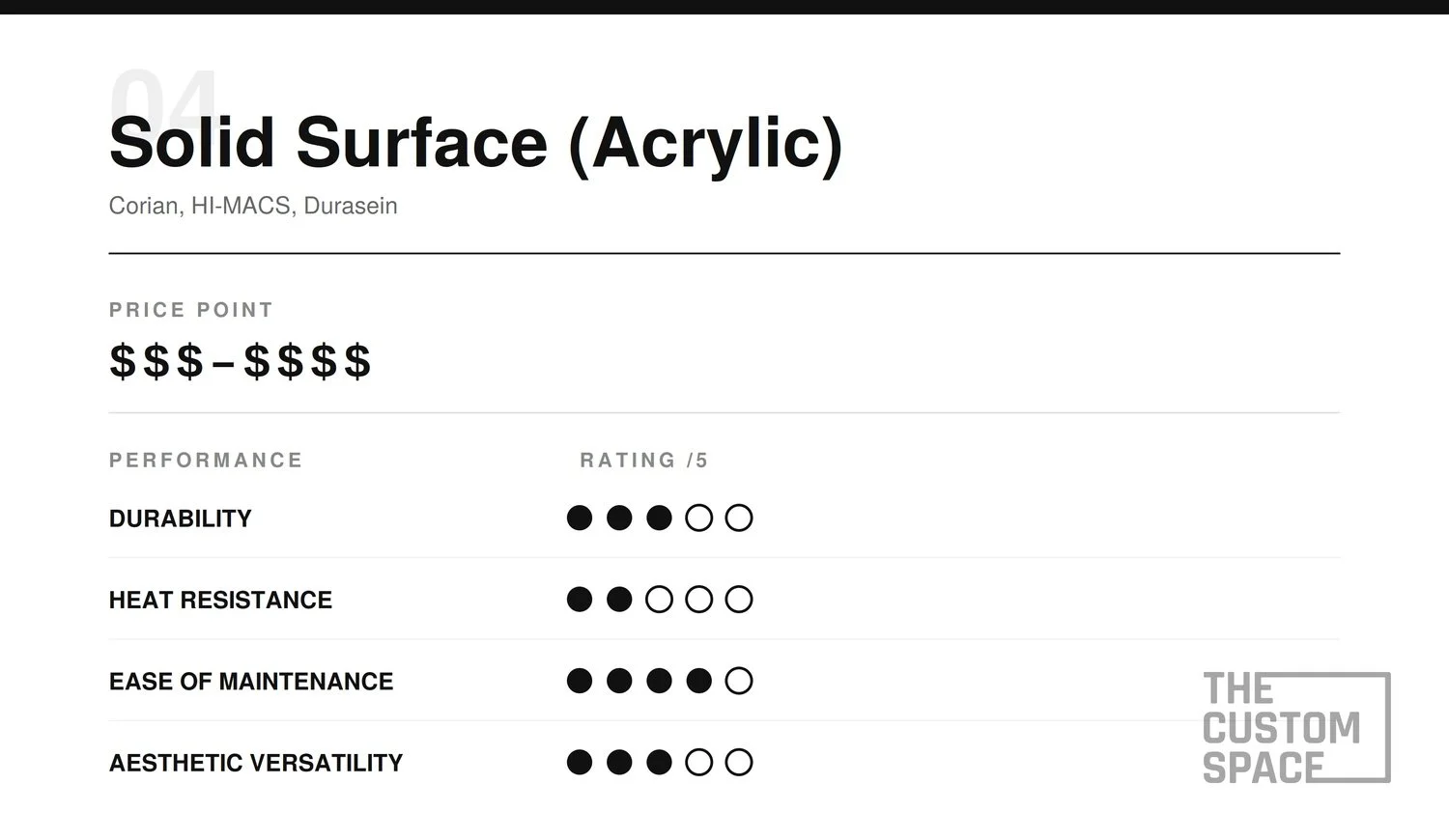
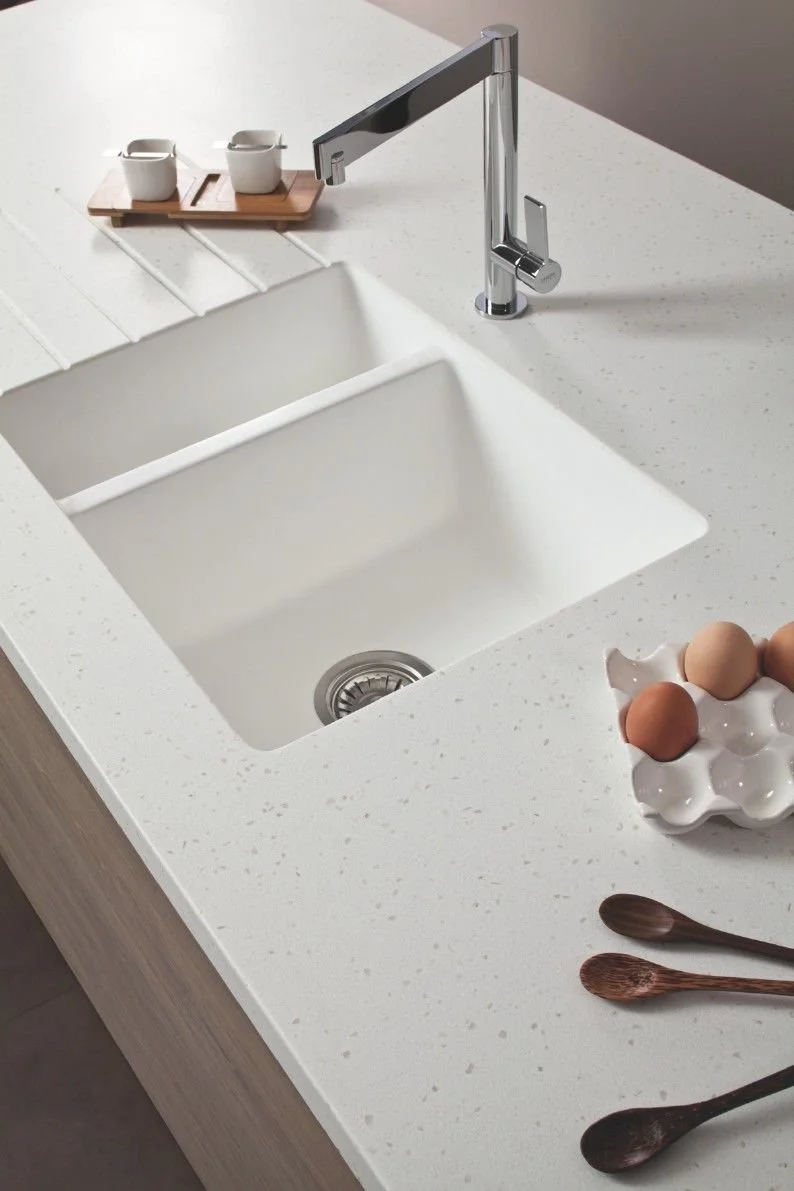
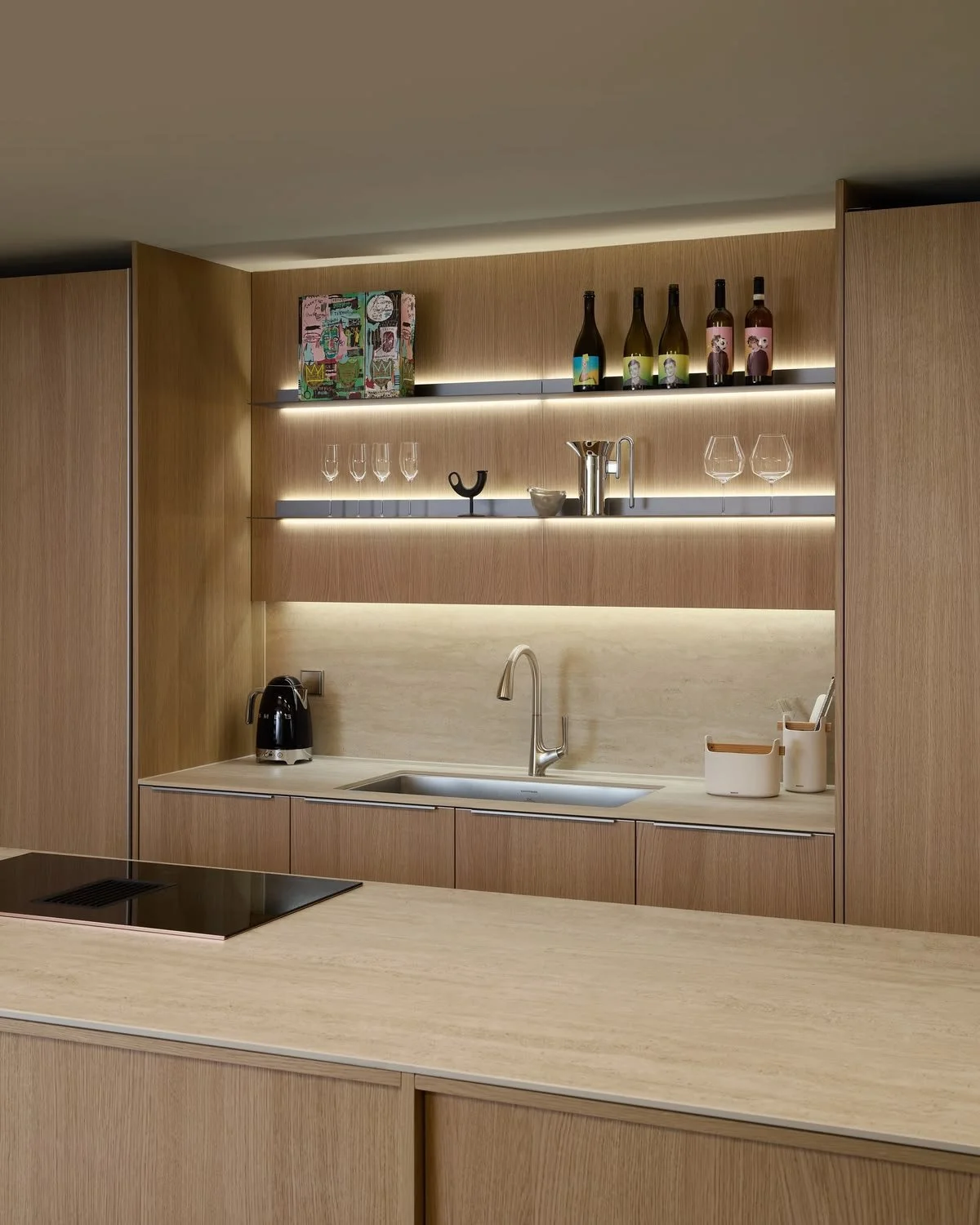
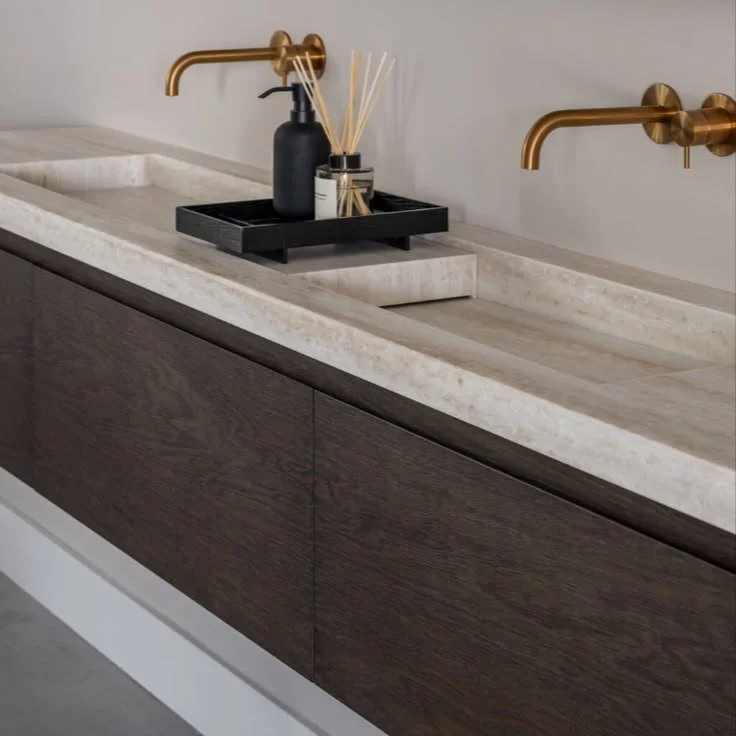
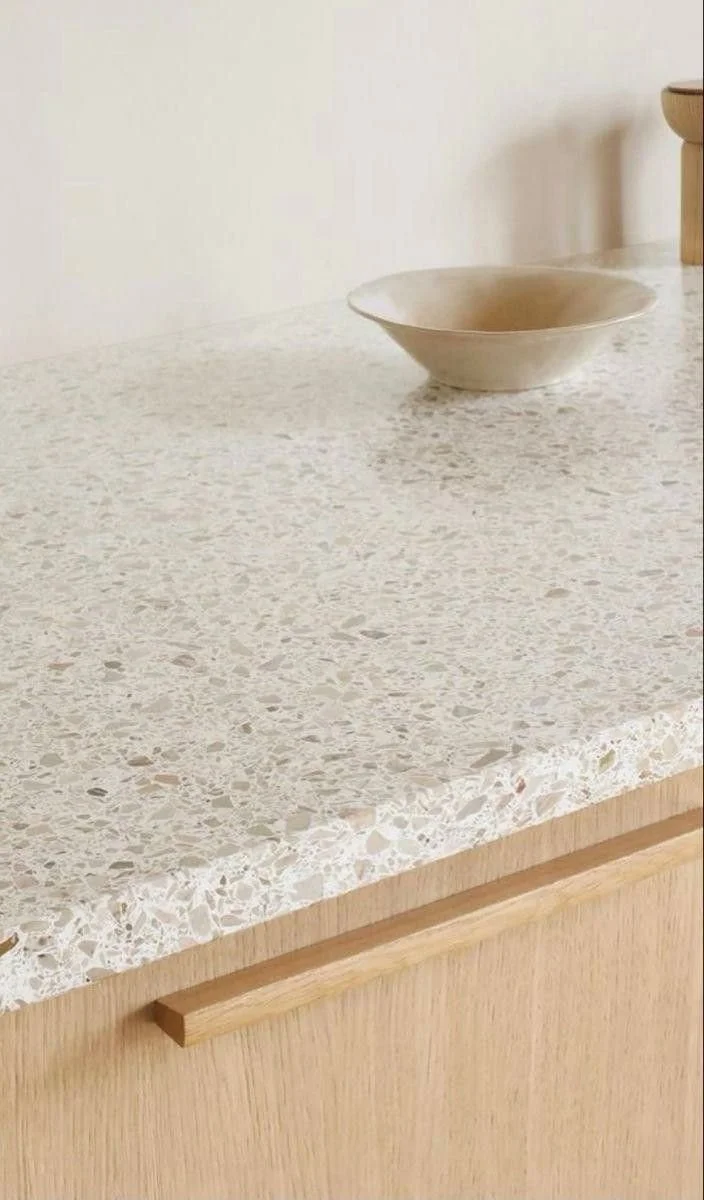
Solid surface benchtops are made from acrylic or polyester resins mixed with mineral fillers. They offer a seamless, smooth aesthetic that's quite different from stone - there are no visible joins, and the sink can be integrated directly into the surface for a clean, uninterrupted look. This makes them particularly popular in contemporary and minimalist kitchen designs. One major advantage of solid surface is reparability. Minor scratches and surface damage can often be sanded out and buffed back, meaning the material can effectively be restored over time. It's non-porous and easy to clean. The main limitations are lower heat resistance compared to stone options, and the fact that it's softer and more prone to scratching than harder materials, though, as noted, these scratches can often be repaired.
The pros
Seamless appearance - joins are virtually invisible
Integrated sinks and drainers possible
Repairable - scratches can be sanded out
Non-porous and hygienic
Soft to the touch and quiet to work on
Wide range of colours and finishes
Things to consider
Not heat-resistant -trivets essential
Softer than stone - more susceptible to cutting and scratching
Can be damaged by some solvents and harsh chemicals
Higher-end brands can be expensive
Not as 'stone-like' in appearance if that's the look you're after
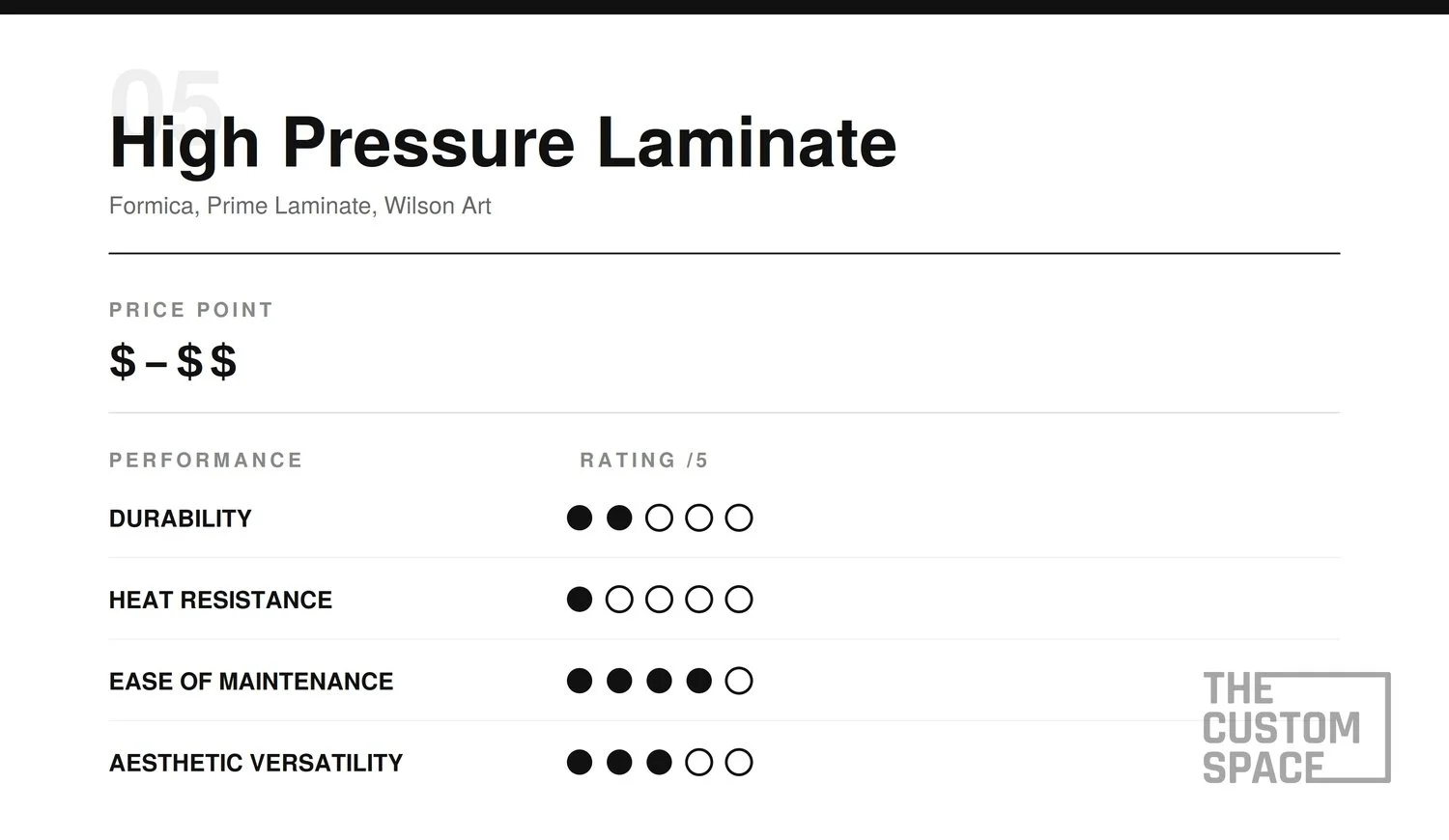
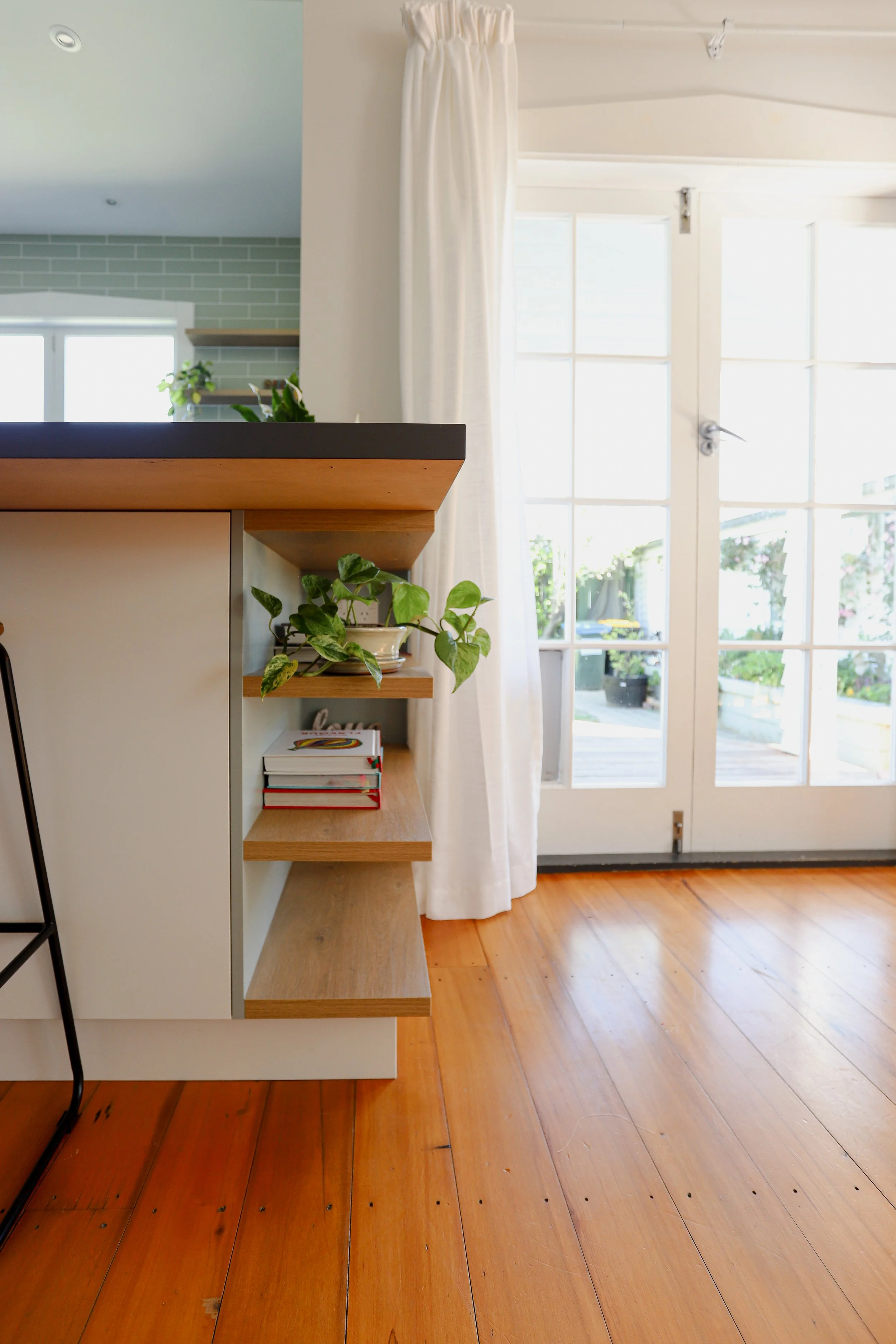
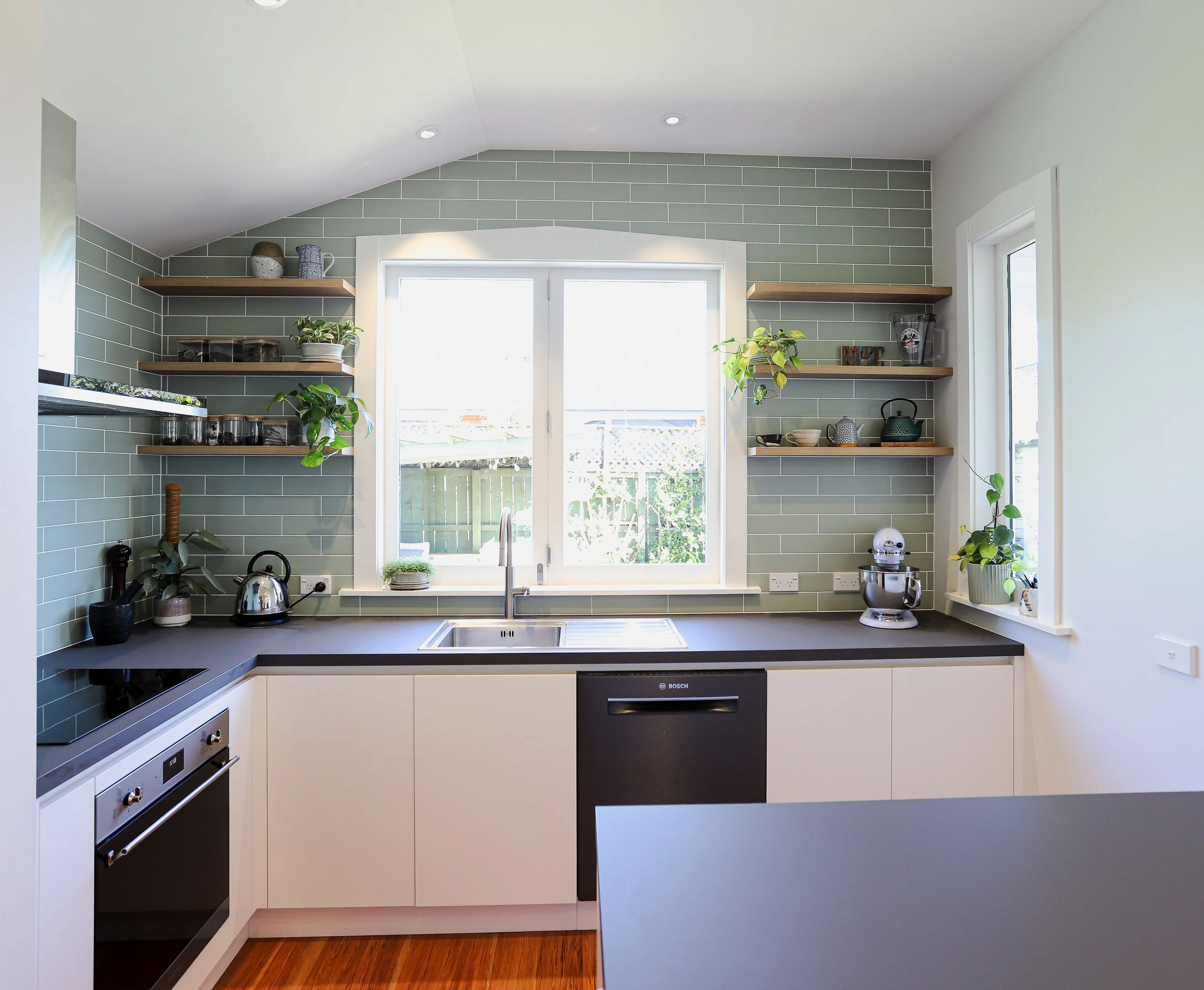
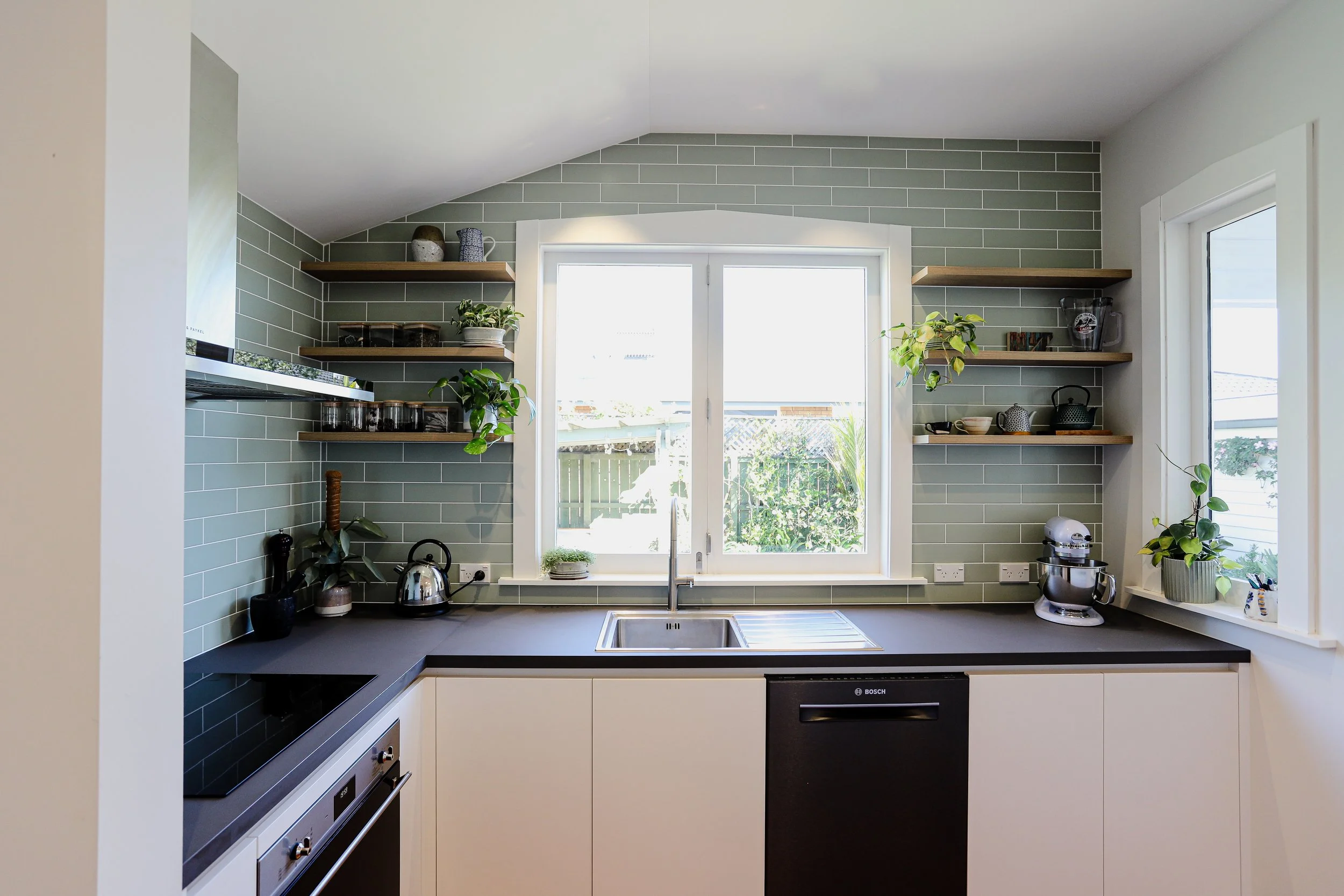
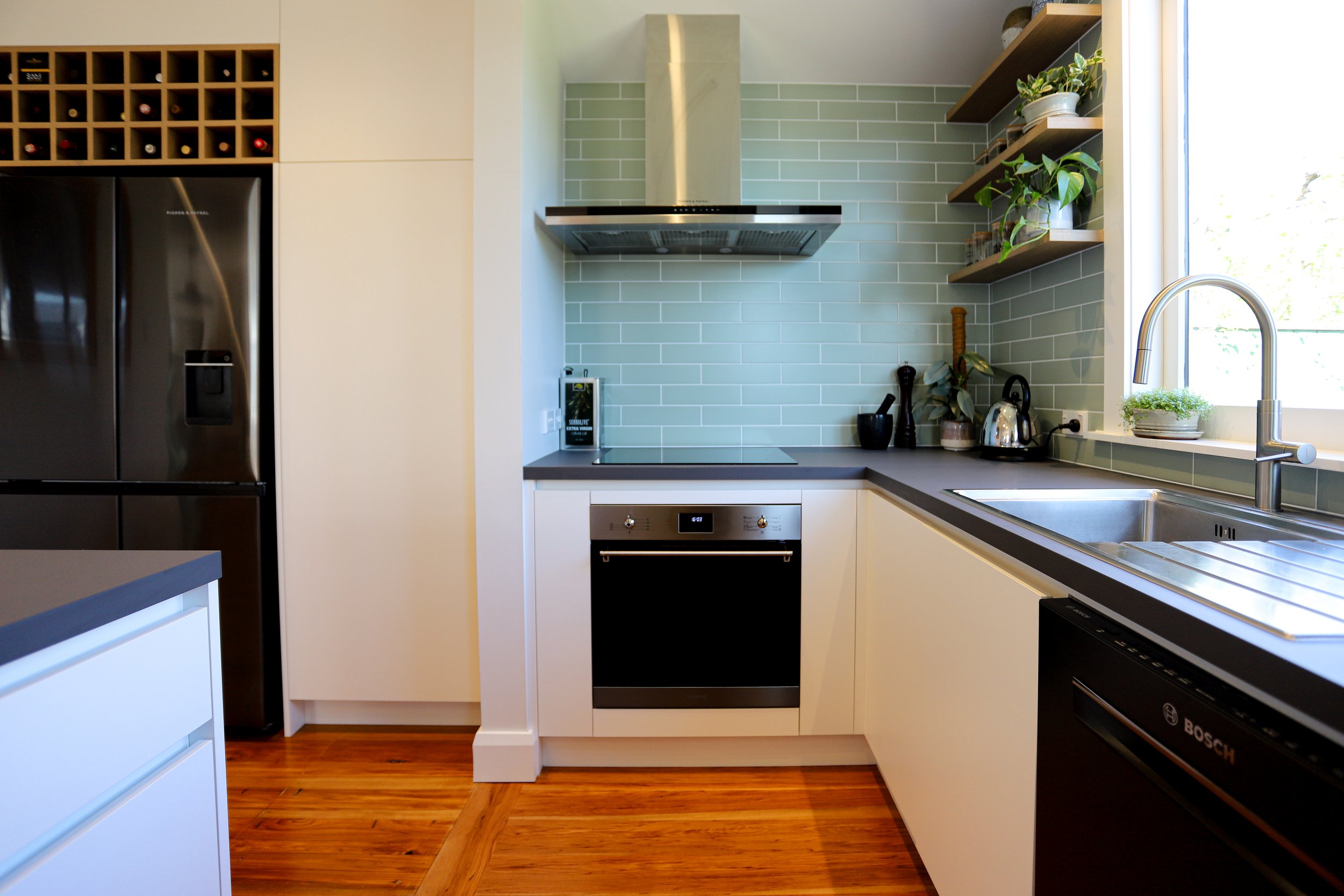
High pressure laminate has come a long way from the laminate benchtops of your parents' kitchen. Modern HPL products are available in an impressive range of finishes, including convincing stone, timber, and concrete looks -and at a price point that makes them extremely accessible for renovations and new builds on tighter budgets. HPL is made by bonding layers of resin-impregnated paper under heat and pressure to a substrate (typically particleboard or MDF). The surface layer is durable and easy to clean, but the edges and joins require careful finishing, as moisture infiltration at poorly sealed joins or exposed edges can cause swelling and delamination over time. HPL is not heat-resistant and will blister or burn if hot cookware is placed on it. Scratches and chips can't be repaired and may be visible.
The pros
Most affordable benchtop option
Huge range of colours, patterns and finishes
Easy to clean and maintain
Lightweight and easy to install
Good resistance to staining when surface is undamaged
Things to consider
Exposed edges and joins can be susceptible to moisture damage
Not heat-resistant - blistering is a real risk
Scratches and chips cannot be repaired
Softer surface - more prone to cutting damage
May not add the same perceived value as stone options for resale
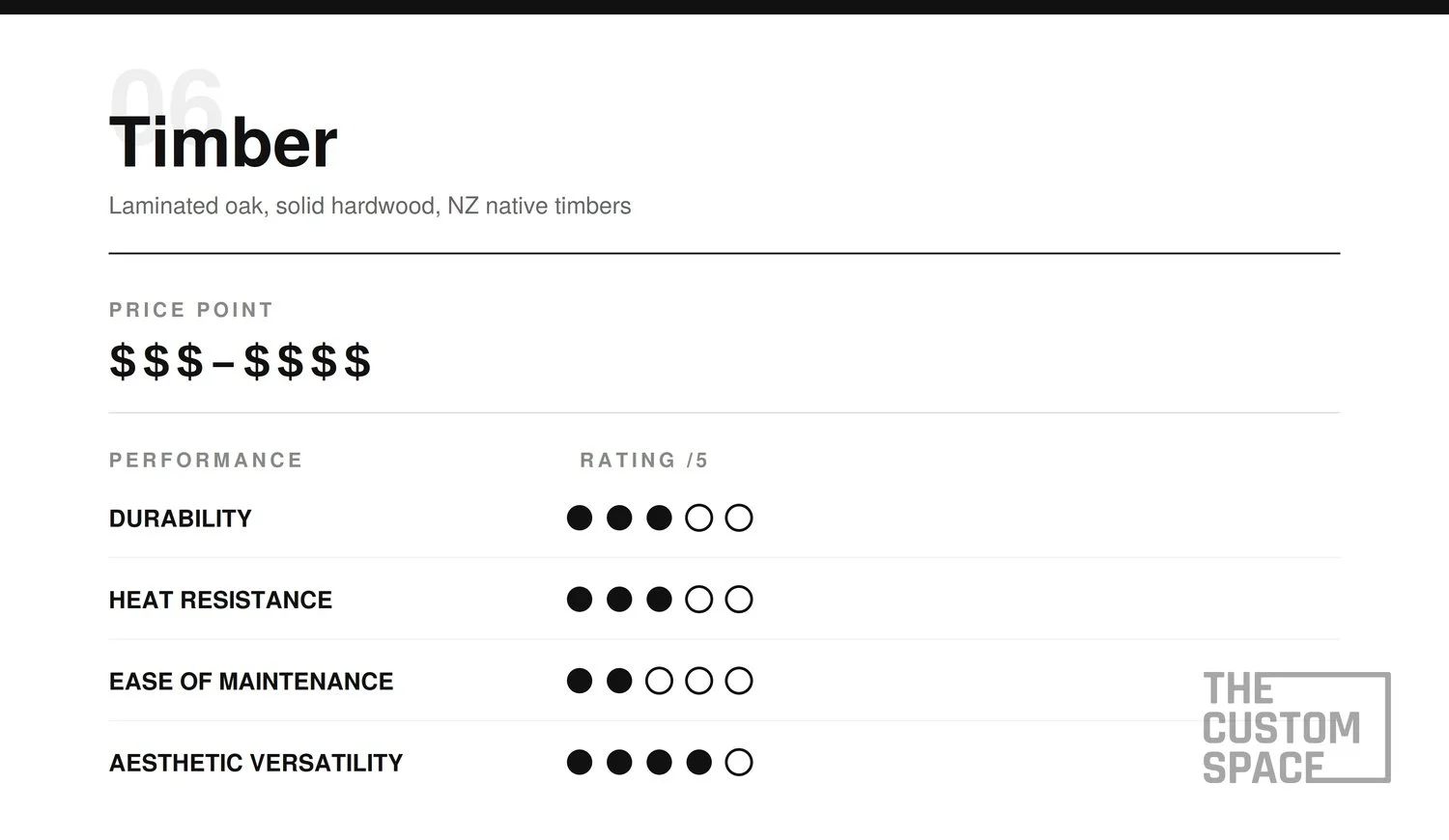
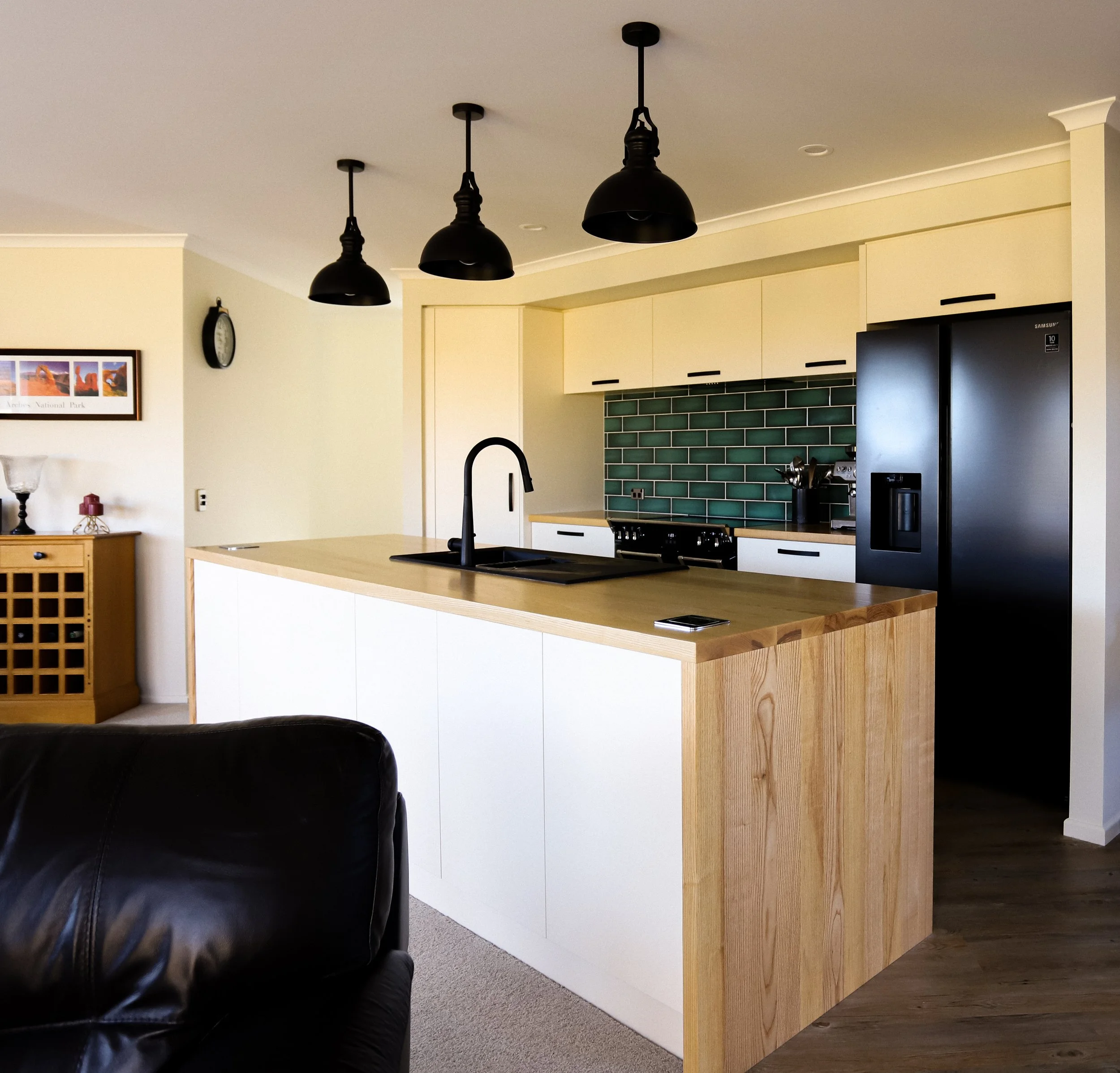
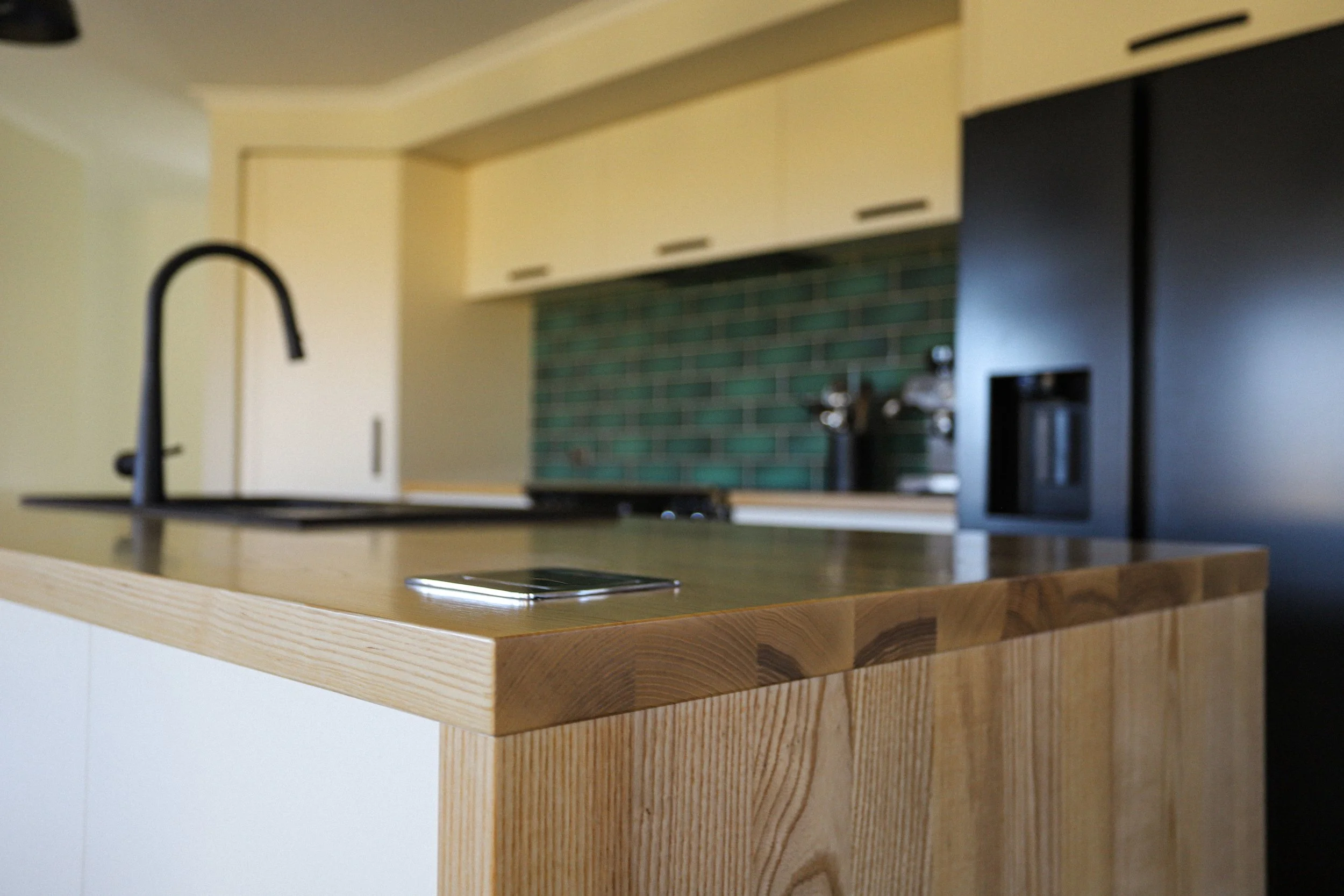
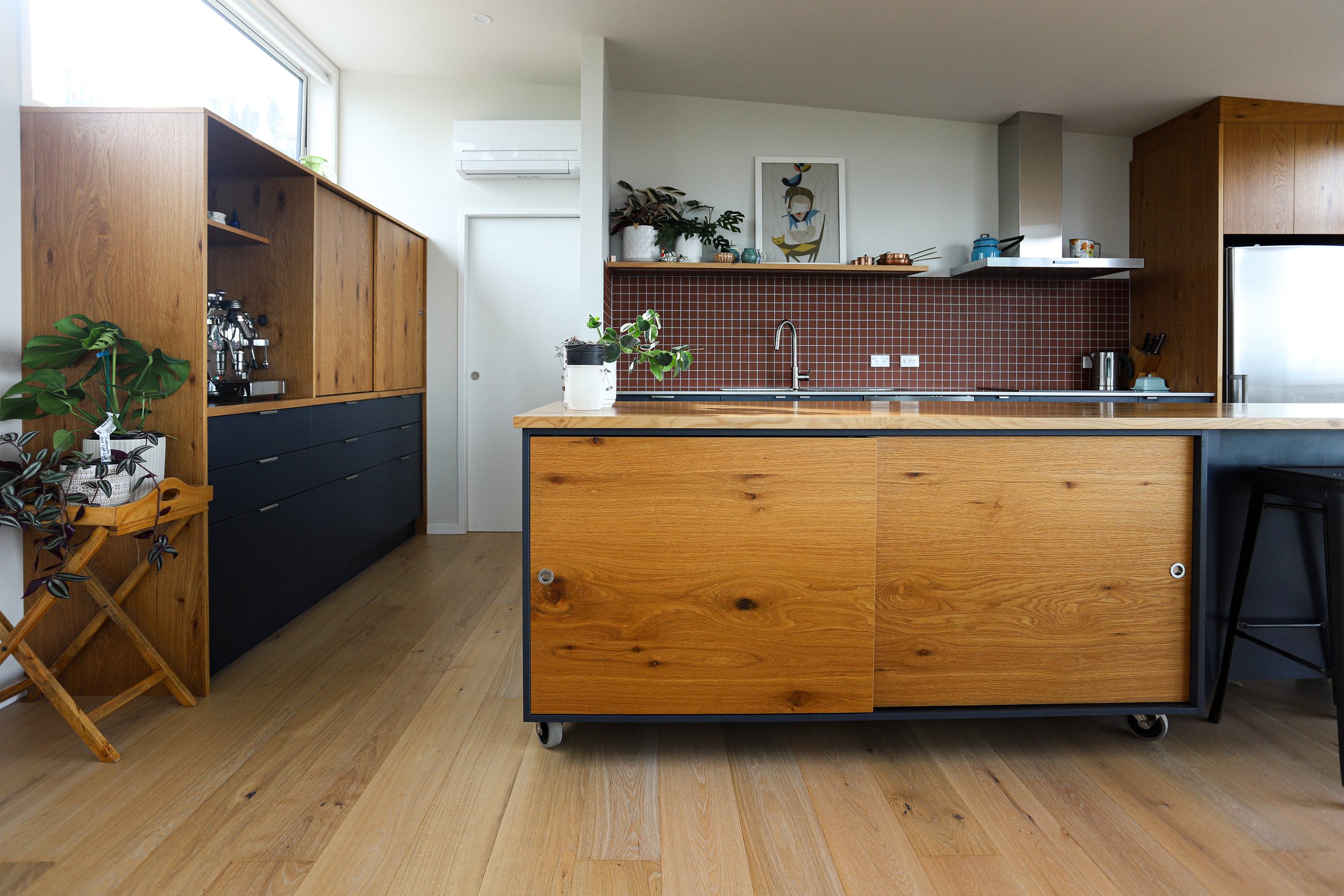
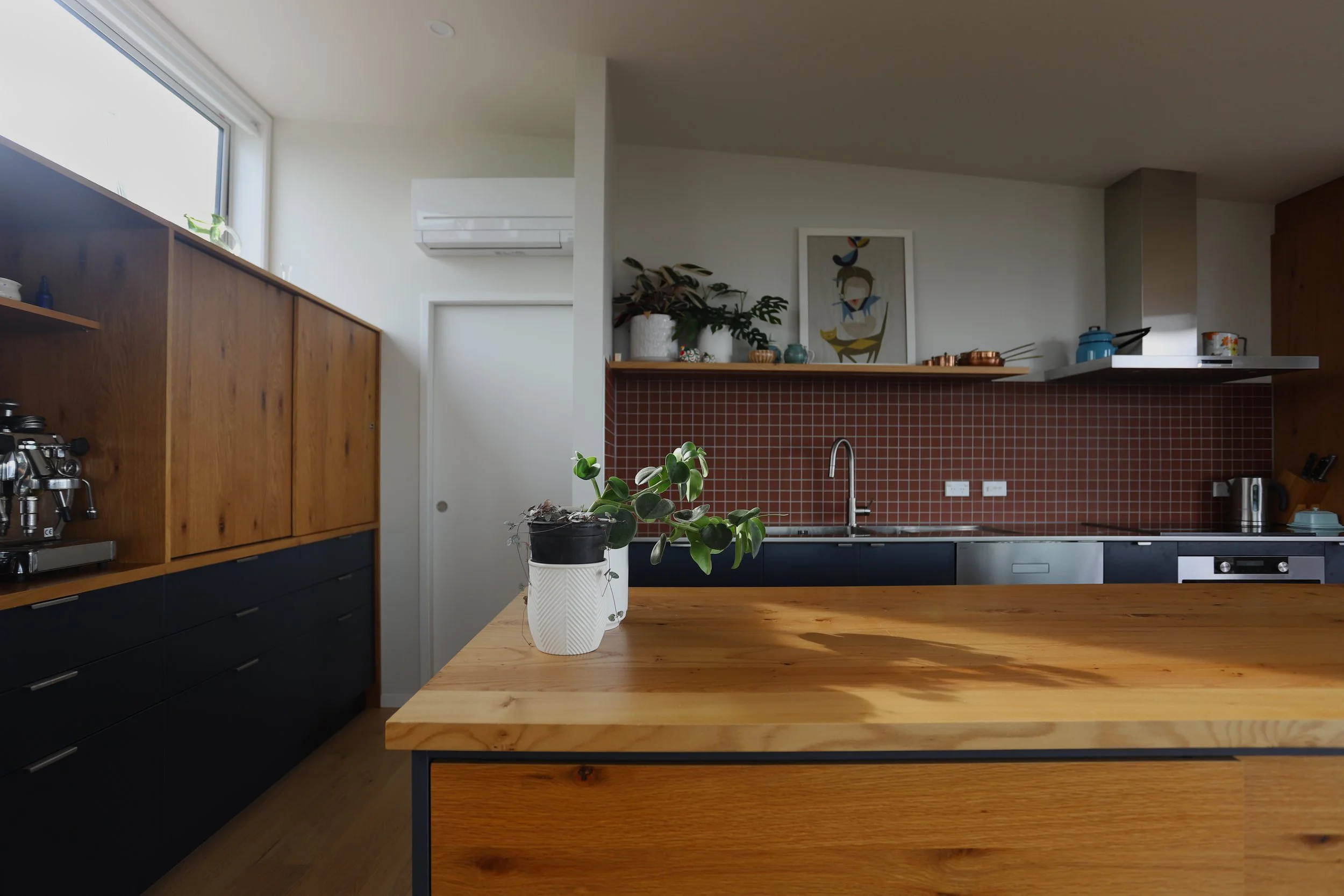
Timber image 1 &2: American White Ash image 3&4: American White Oak Planked Rustic
Timber benchtops bring a warmth, depth, and natural character that few other materials can match. Whether it's a full butcher block island, a run of laminated oak, or a feature hardwood bench, timber adds an organic, tactile quality that feels inviting and beautifully complements both traditional and contemporary homes. In New Zealand, native species such as Rimu and Tawa offer a distinctive local aesthetic rich in history and character.
When finished with a high-quality 2-pack polyurethane coating and properly maintained, timber benchtops can provide decades of enjoyment. The protective coating helps resist moisture, staining, and everyday wear while allowing the natural beauty of the timber to shine through. Unlike many manufactured surfaces, timber can also be refreshed and restored over time, making it a long-term investment rather than a disposable one.
As with any natural material, sensible care is recommended. Using trivets for hot cookware and wiping up standing water promptly will help preserve the finish, particularly around sink areas. Over the years, timber may develop subtle marks and character that many homeowners appreciate as part of its evolving story, creating a surface that becomes uniquely yours.
The pros
Warm, natural aesthetic unlike any other material
Can be sanded back and refinished if heavily damaged
Works beautifully as a feature alongside stone or other materials
New Zealand native timbers offer a unique local character
Can be cut directly on the surface (butcher block)
Things to consider
Requires regular oiling or sealing - annual maintenance minimum
Susceptible to water damage if not properly sealed around sinks
Will develop scratches and knife marks over time
Not suitable for use near sinks without excellent sealing
Movement with humidity and temperature changes
Can scorch if very hot pots left directly on surface
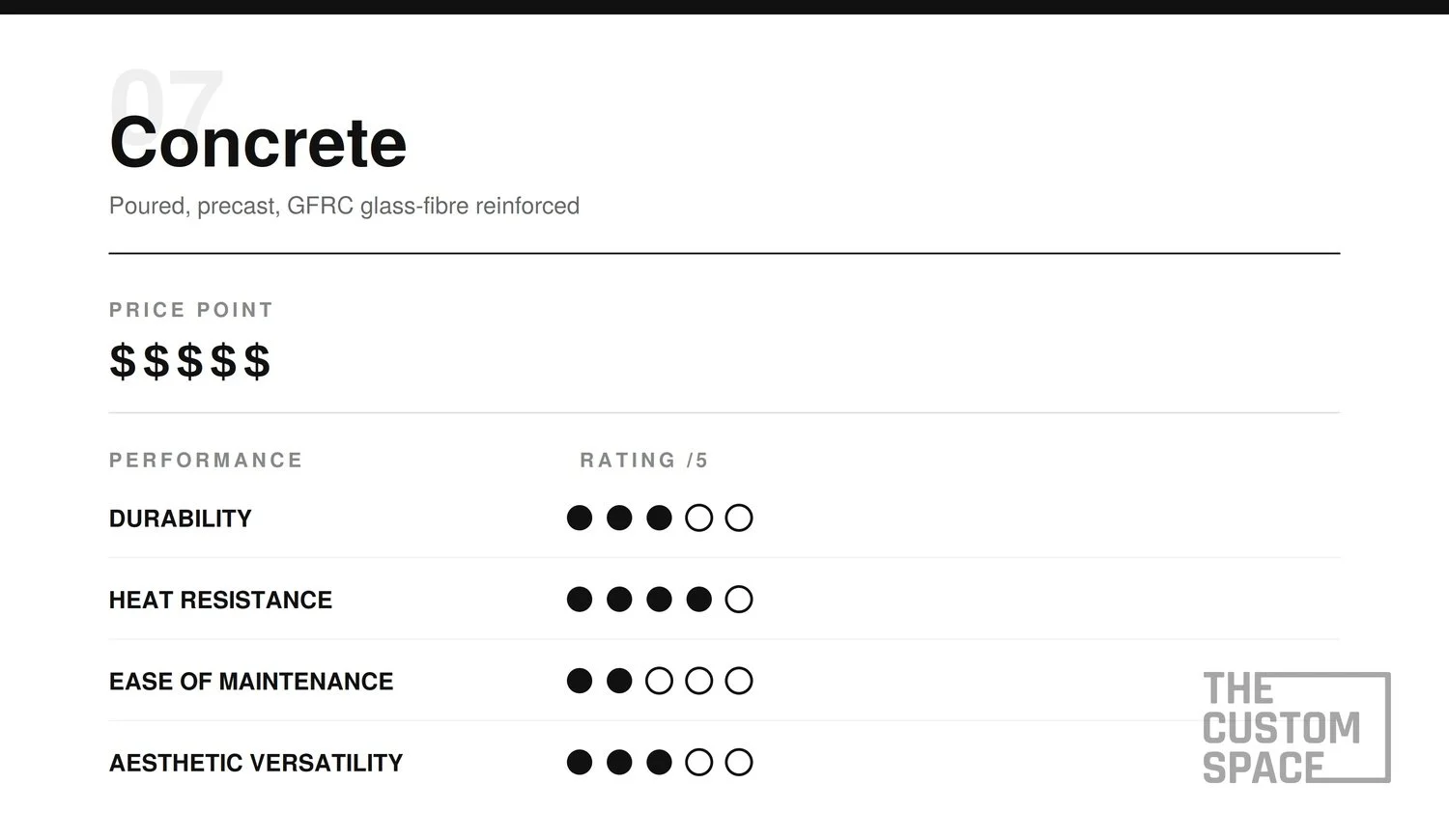
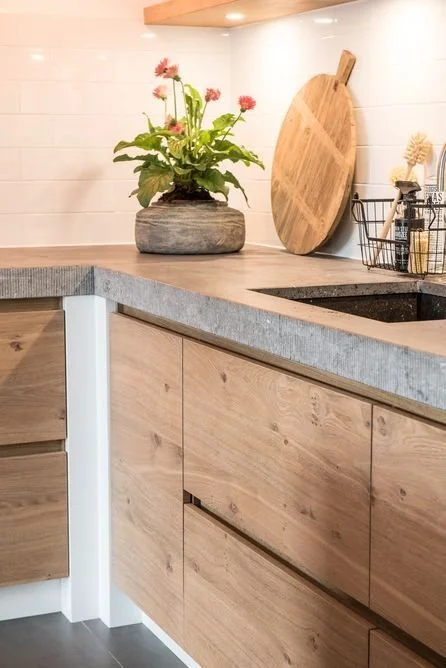
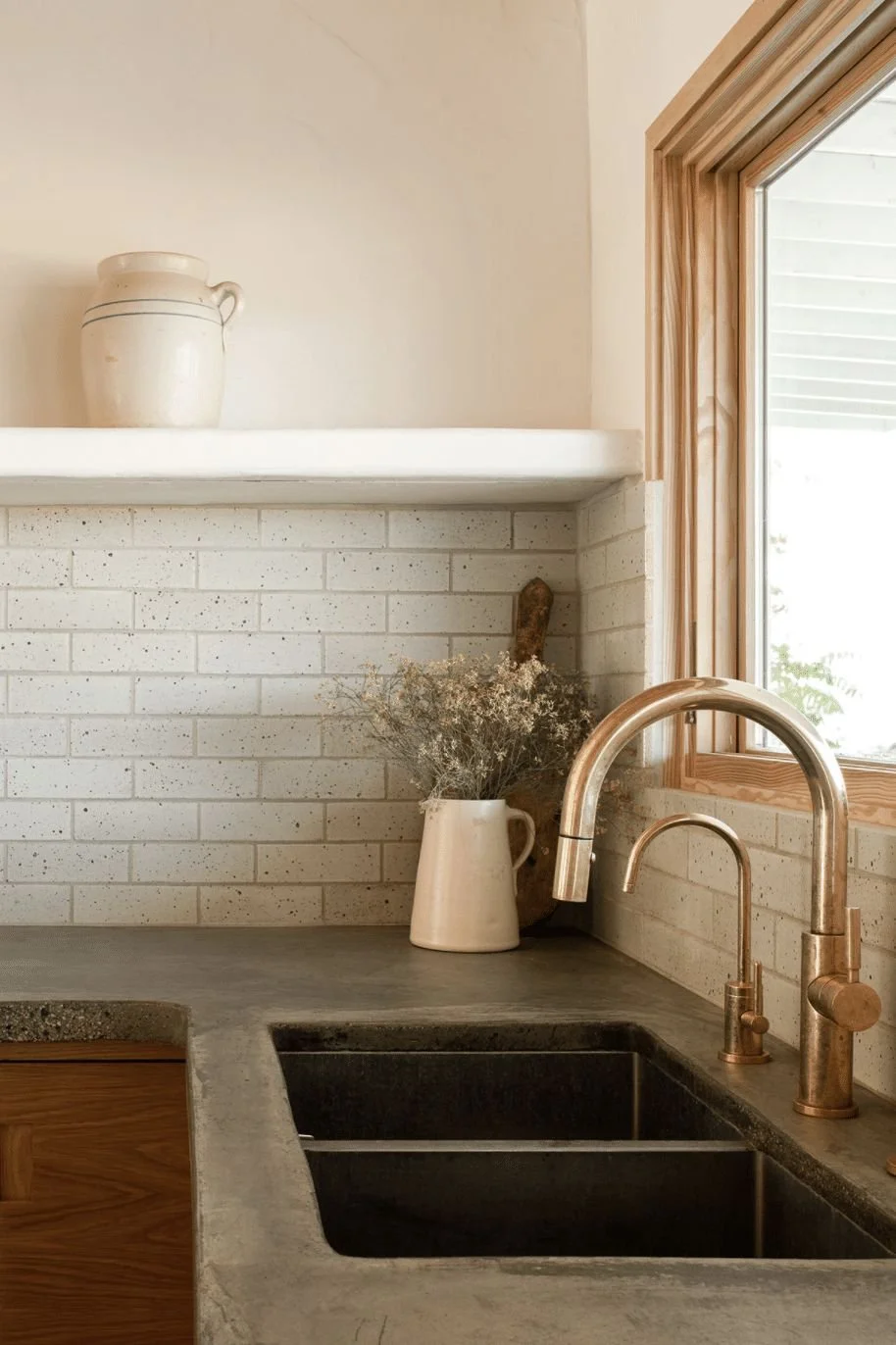
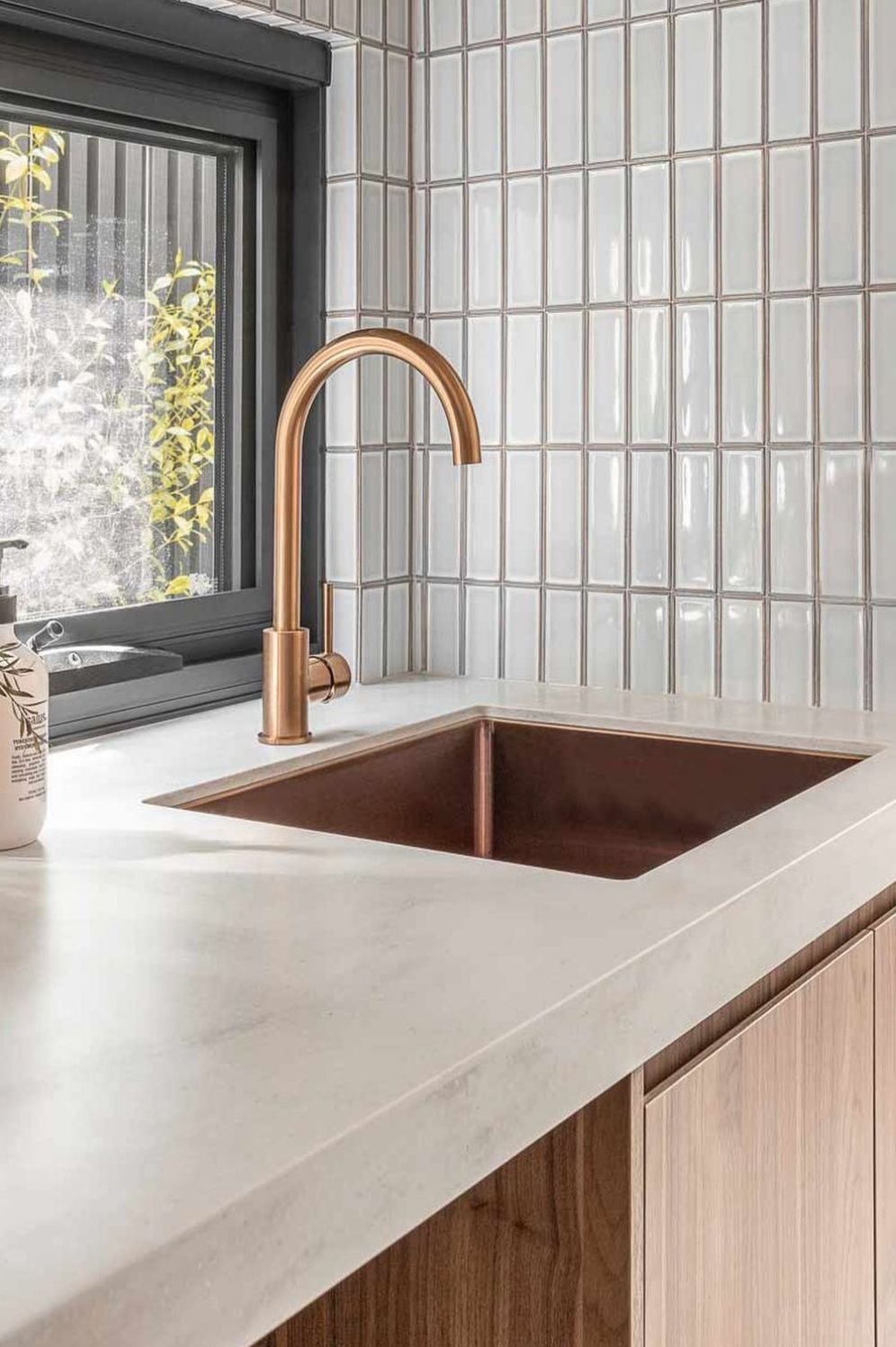
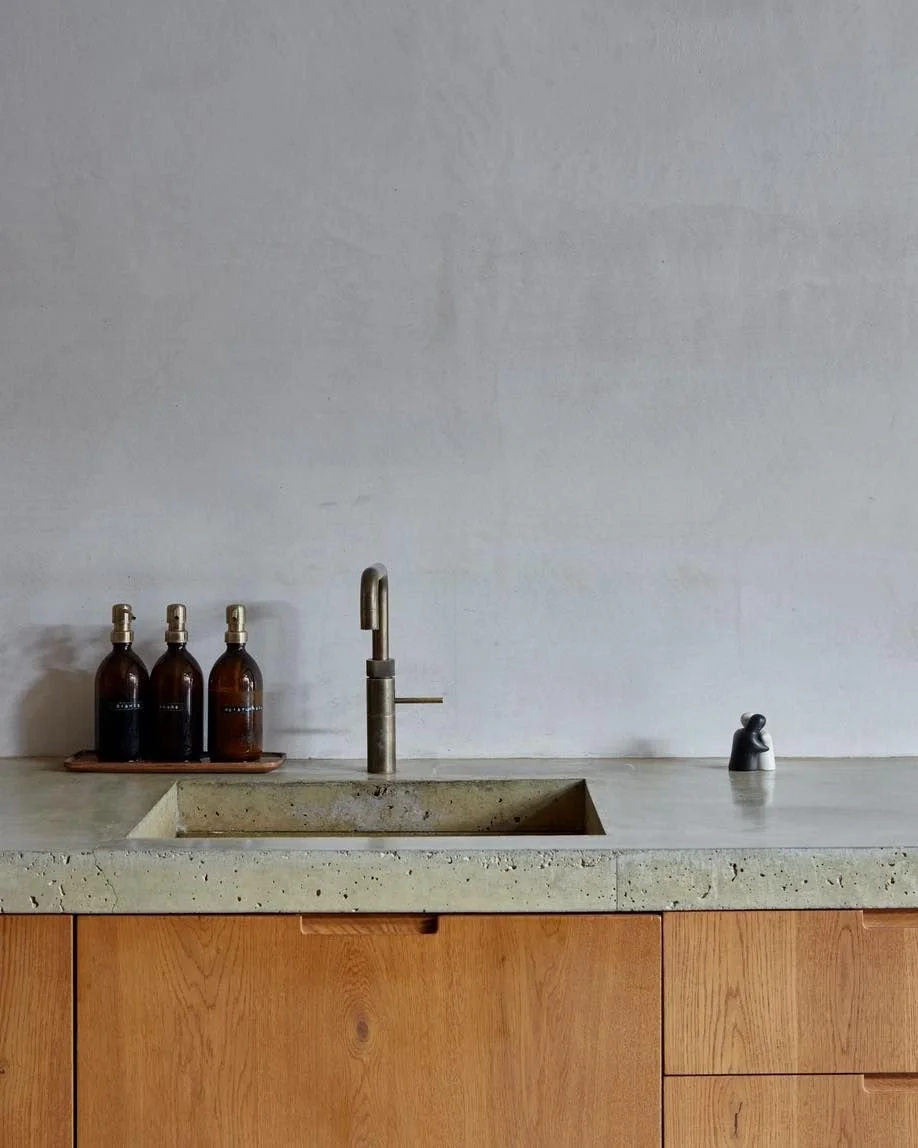
Concrete benchtops offer one of the most bespoke and architectural options available. Each piece is custom-made to suit the space, resulting in a truly unique surface with depth, texture, and character that cannot be replicated by manufactured materials. Whether polished for a refined contemporary look or finished with a more natural matte texture, concrete brings a sense of permanence and craftsmanship to a kitchen. It can also be customised in a wide range of colours and finishes, with the ability to incorporate integrated sinks, draining boards, and other design features for a seamless appearance.
When properly sealed and maintained, concrete performs well in residential environments and develops a rich patina over time that many homeowners find adds to its appeal. Modern GFRC (glass fibre reinforced concrete) technology has also made concrete lighter, stronger, and more resistant to cracking than traditional solid-pour concrete, making it an increasingly popular choice for contemporary homes.
As a natural material, there are a few considerations. Concrete is porous by nature and requires sealing to help protect against staining, particularly from acidic foods and highly pigmented liquids. Over time, minor hairline cracking may occur as the material naturally settles and matures, which many consider part of its authentic character. Concrete also requires careful planning, with longer lead times and specialist installation compared to some other benchtop materials. However, for those seeking a truly custom, statement-making surface, concrete delivers a level of individuality and design flexibility that few materials can match.
The pros
Completely unique - truly bespoke to your space
Industrial, textural aesthetic with genuine character
Can be pigmented, polished, or textured in many ways
Integrated sinks and features possible
Heat resistant once sealed
Things to consider
Porous -requires sealing and resealing over time
Hairline cracks can develop as the material cures
Heavy - requires structural support
Higher cost and longer lead times
Staining risk if sealing is inadequate
Fewer fabricators - quality varies significantly
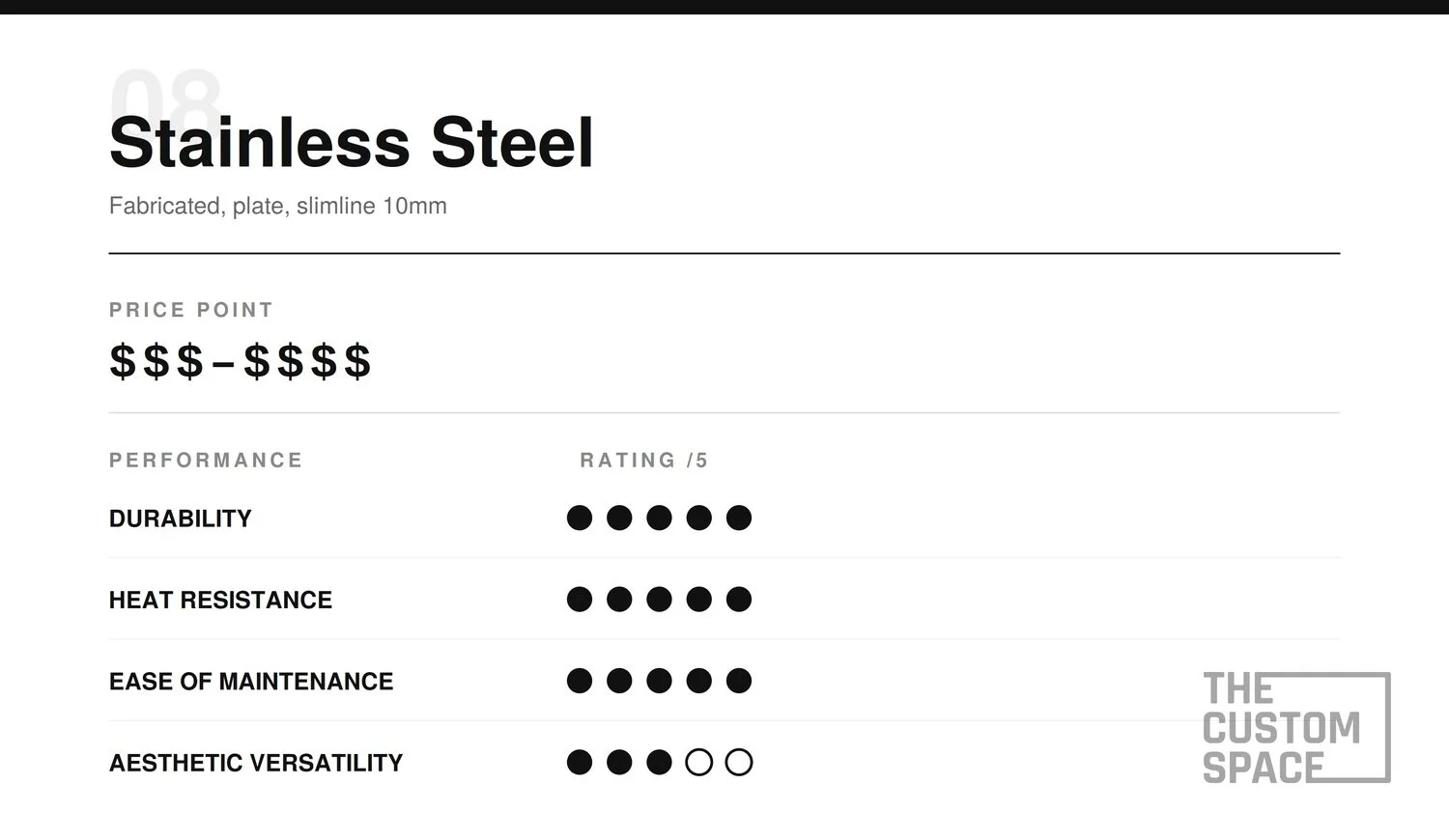
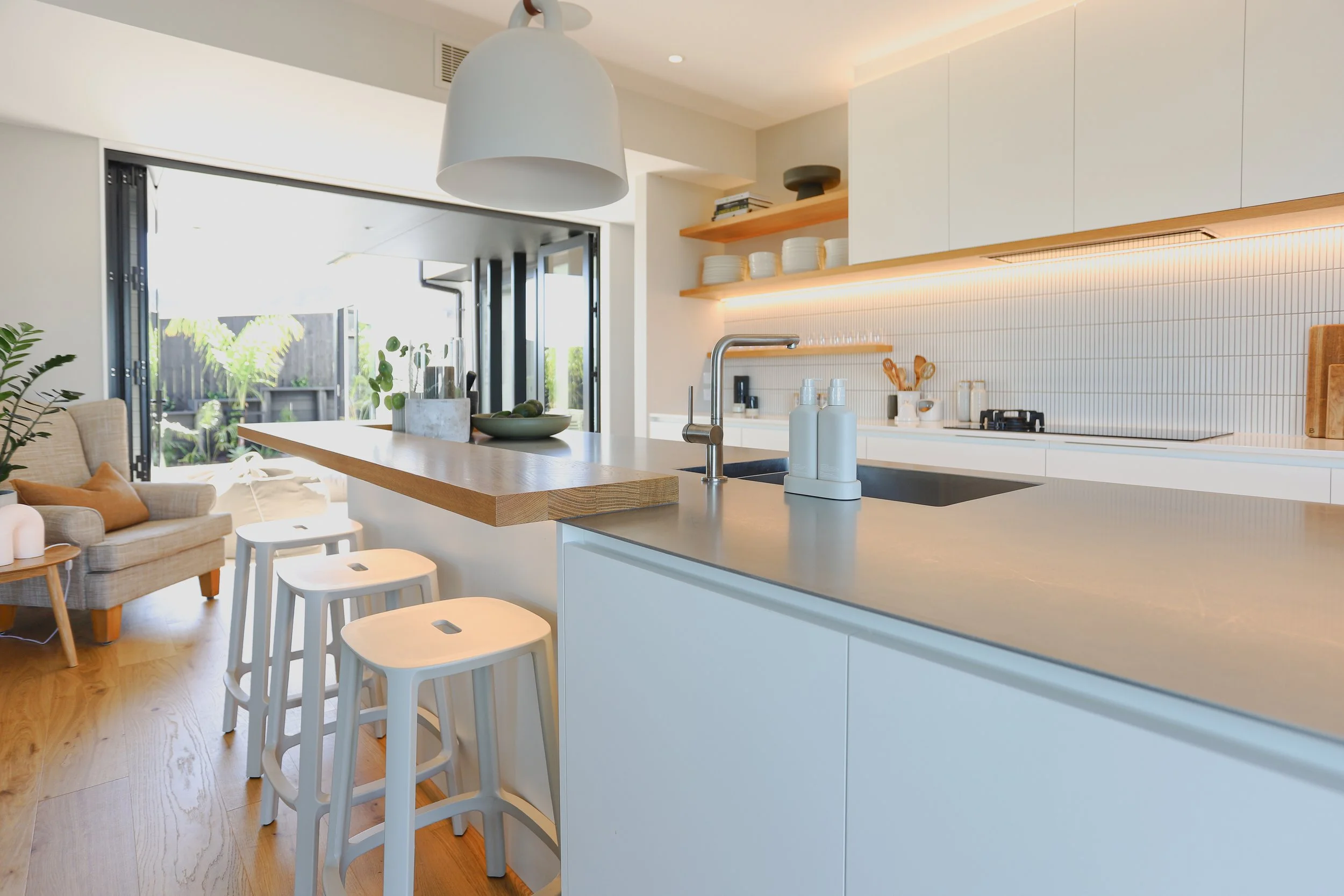
Stainless steel is the material of choice in every professional kitchen in the world, and for good reason: it's non-porous, hygienic, heat-resistant, and stays looking clean with minimal effort. In a home kitchen, that translates to fewer worries about hot pots, water splashes, or food prep mess. It's a material that genuinely performs as hard as you cook.
Stainless can be fabricated with an integrated sink and splashback, which means fewer seams and less opportunity for grime or moisture to build up around joins. It works particularly well integrated with other bench materials - timber, stone, or painted cabinetry - for an elevated, modern kitchen that feels considered and high-end. The brushed or matte finish reflects light subtly without showing every fingerprint.
The main consideration is that stainless will develop fine surface scratches with normal use. On most finishes, these blend into a consistent patina over time rather than standing out as isolated marks. It's a surface that ages gracefully rather than showing damage.
The pros
Non-porous - highly hygienic, does not absorb bacteria or moisture
Excellent heat resistance -hot pots directly on the surface are fine
Integrated sink and splashback options reduce joins and grime build-up
Easy to clean and sanitise with standard products
Long-lasting -the material of choice in commercial kitchens for decades
Works well alongside timber, stone and contemporary cabinetry
Things to consider
Will develop fine surface scratches over time (these form a consistent patina)
Can show water marks and fingerprints on polished finishes
Industrial aesthetic -not to everyone's taste
So which benchtop is right for you?
There's no single right answer- but there are better and worse answers for your specific situation. Here are a few ways to think about it:
If you cook a lot and want a surface you don't have to think about...
Porcelain, ultra-compact surfaces, or stainless steel are worth serious consideration. The heat resistance and near-zero maintenance make them well-suited to an active cooking environment.
If you love the look of stone and want the best balance of style and practicality...
Engineered stone is the most popular choice in New Zealand for good reason. Just be diligent with trivets, avoid the edge profiles that chip most easily, and you'll have a surface that performs well for years.
If you're designing a kitchen where aesthetics are the priority...
Natural stone or timber (used as a feature element) will give you something that genuinely can't be replicated. Be clear-eyed about the maintenance commitment before you commit.
If budget is tight...
High pressure laminate has improved significantly. A well-chosen HPL benchtop in a quality finish can look excellent and hold up well in a low-use environment. Just be realistic about its limitations around heat and moisture.
The team at The Custom Space have the experience and knowledge to guide your decision making. If you're working through a renovation or new build and want to talk through your options, we'd love to help — visit us at thecustomspace.co.nz or get in touch directly.