When Joinery Becomes Architecture – Wall Lining
The Secret to Seamless Interiors
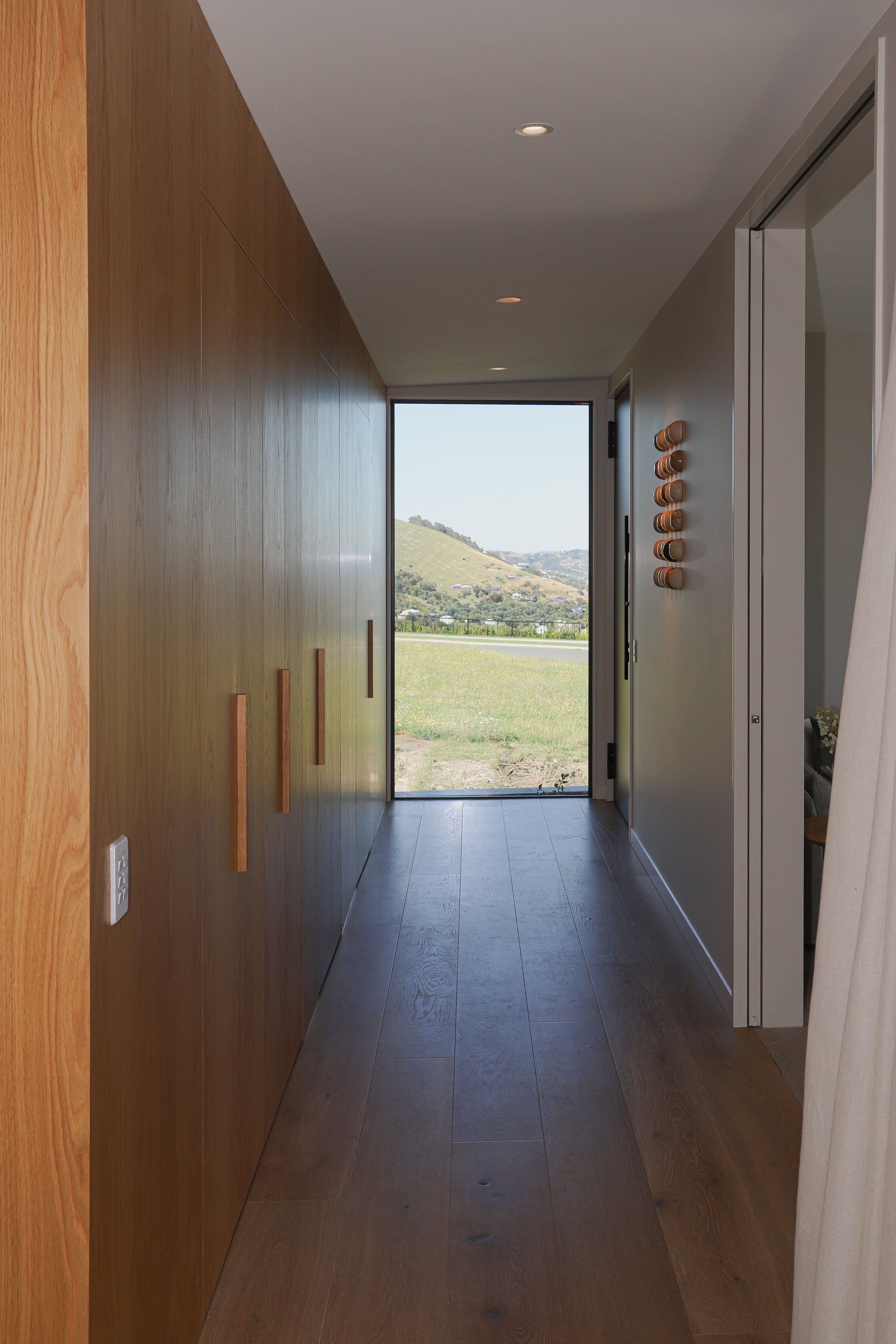
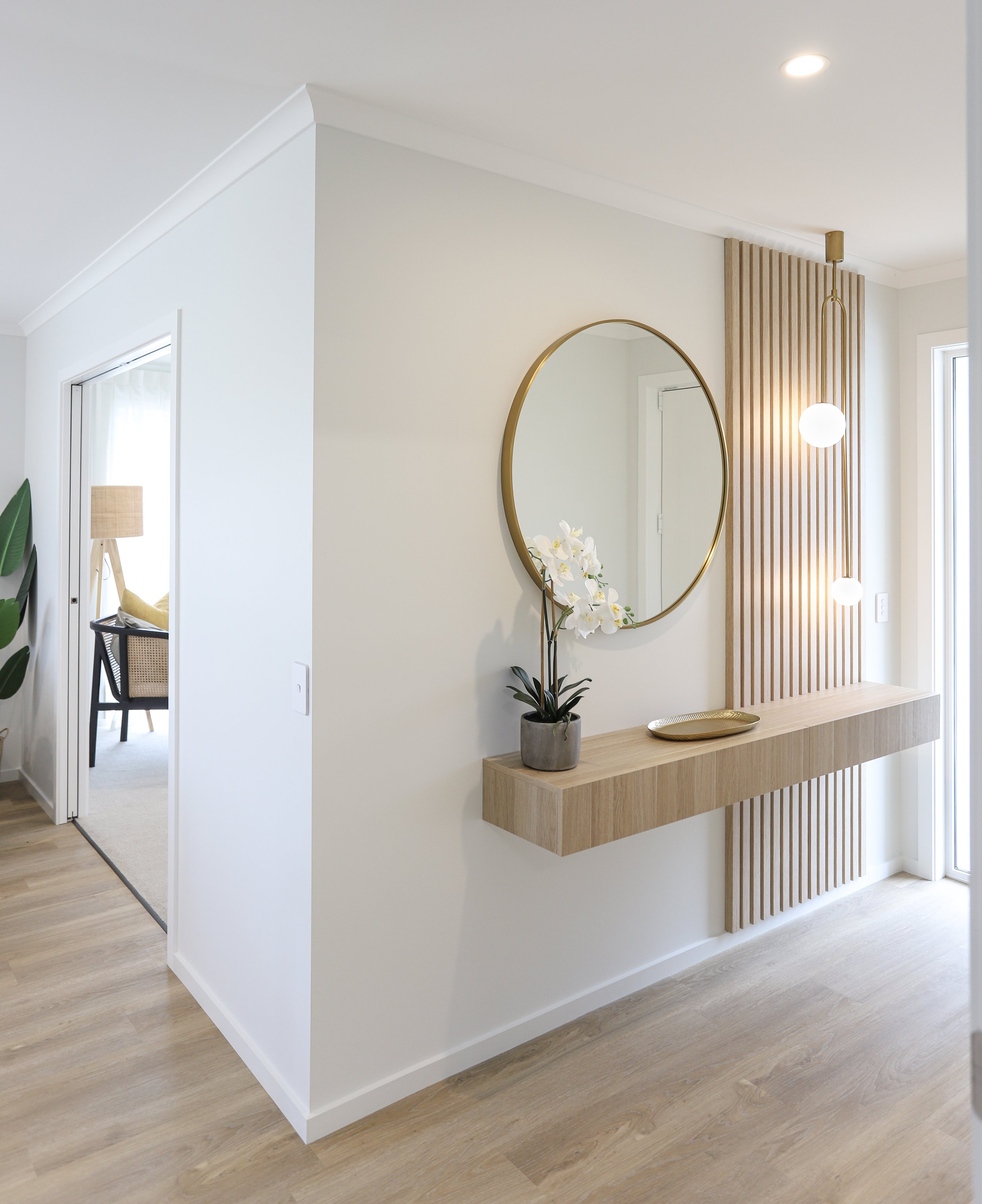
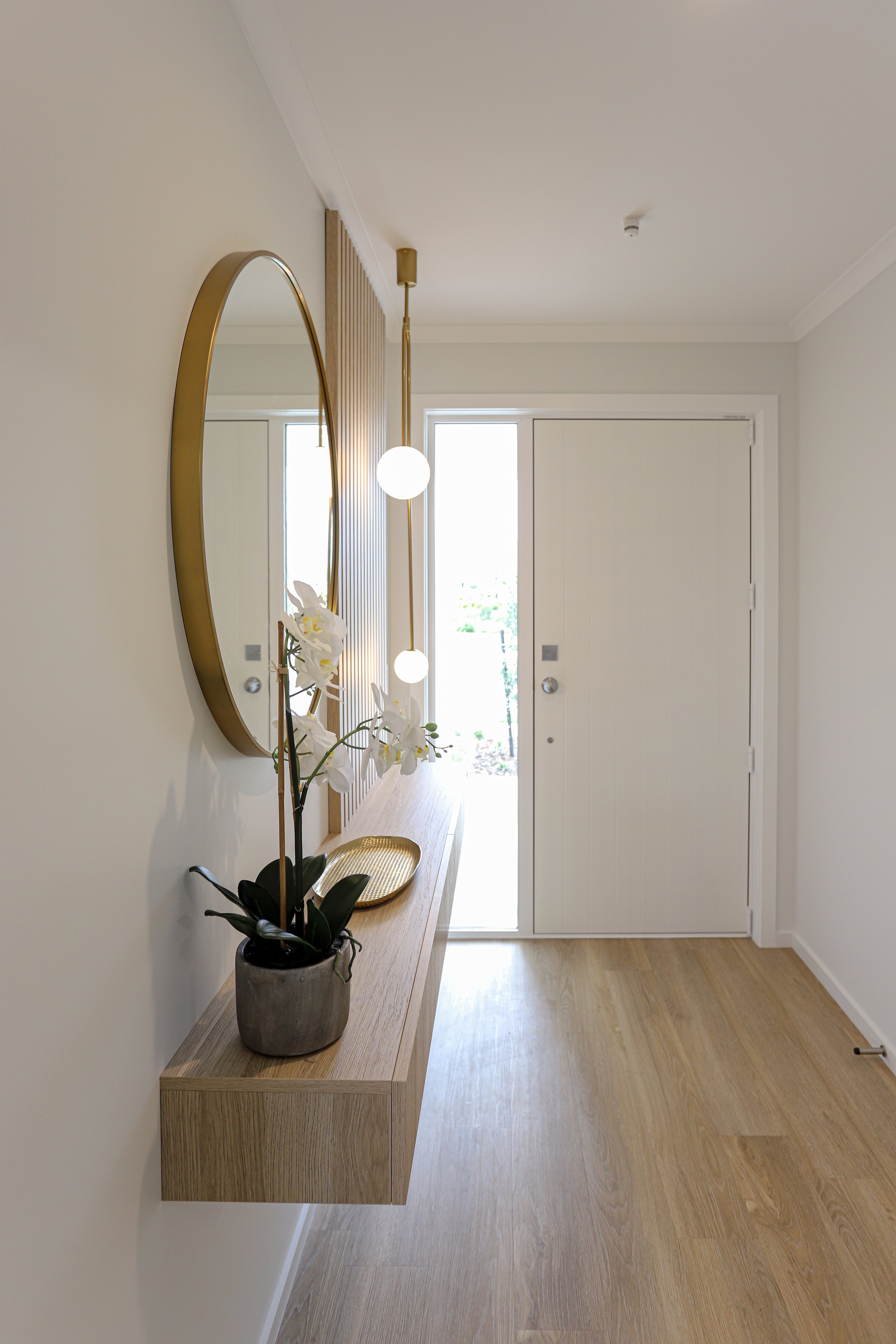
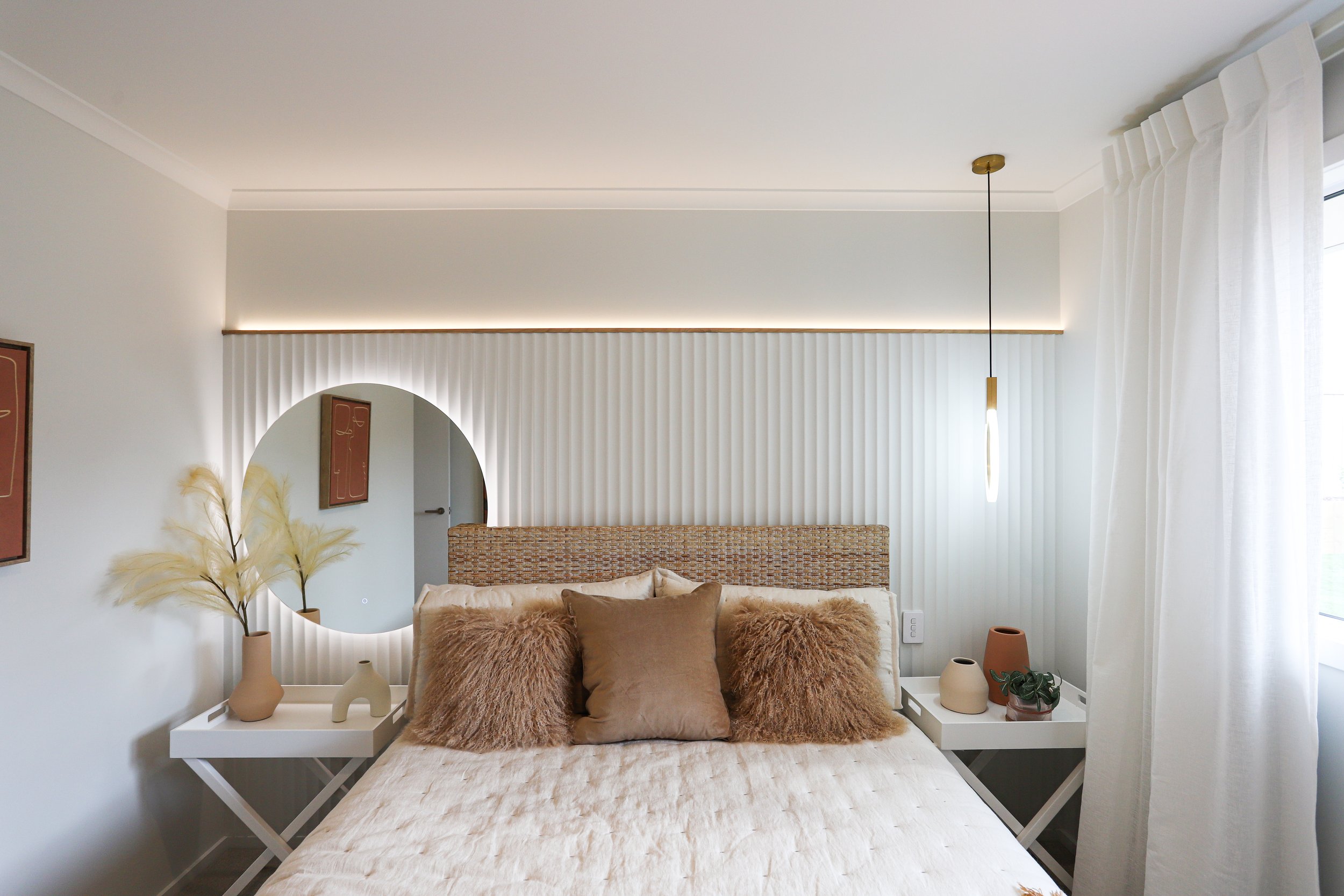
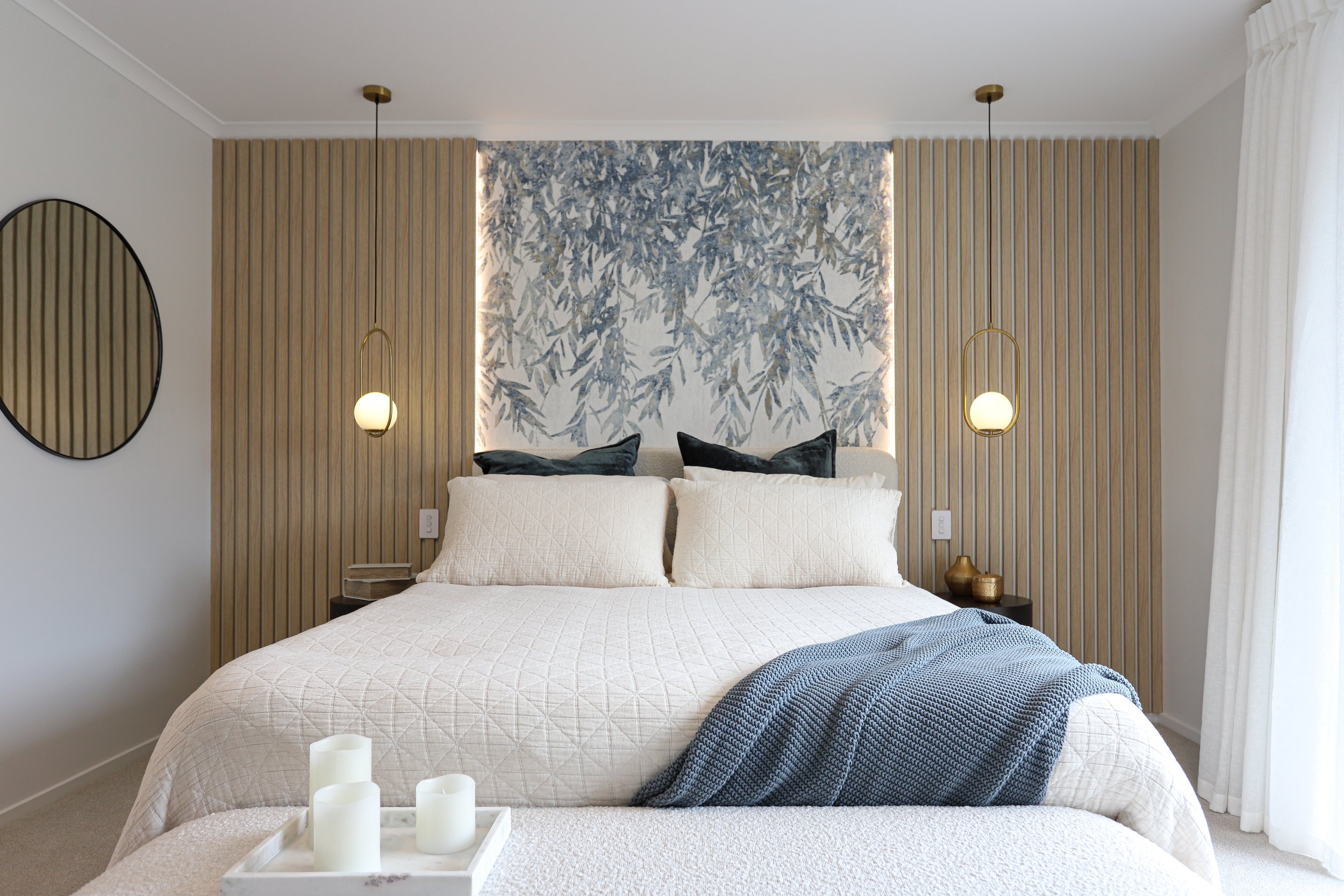
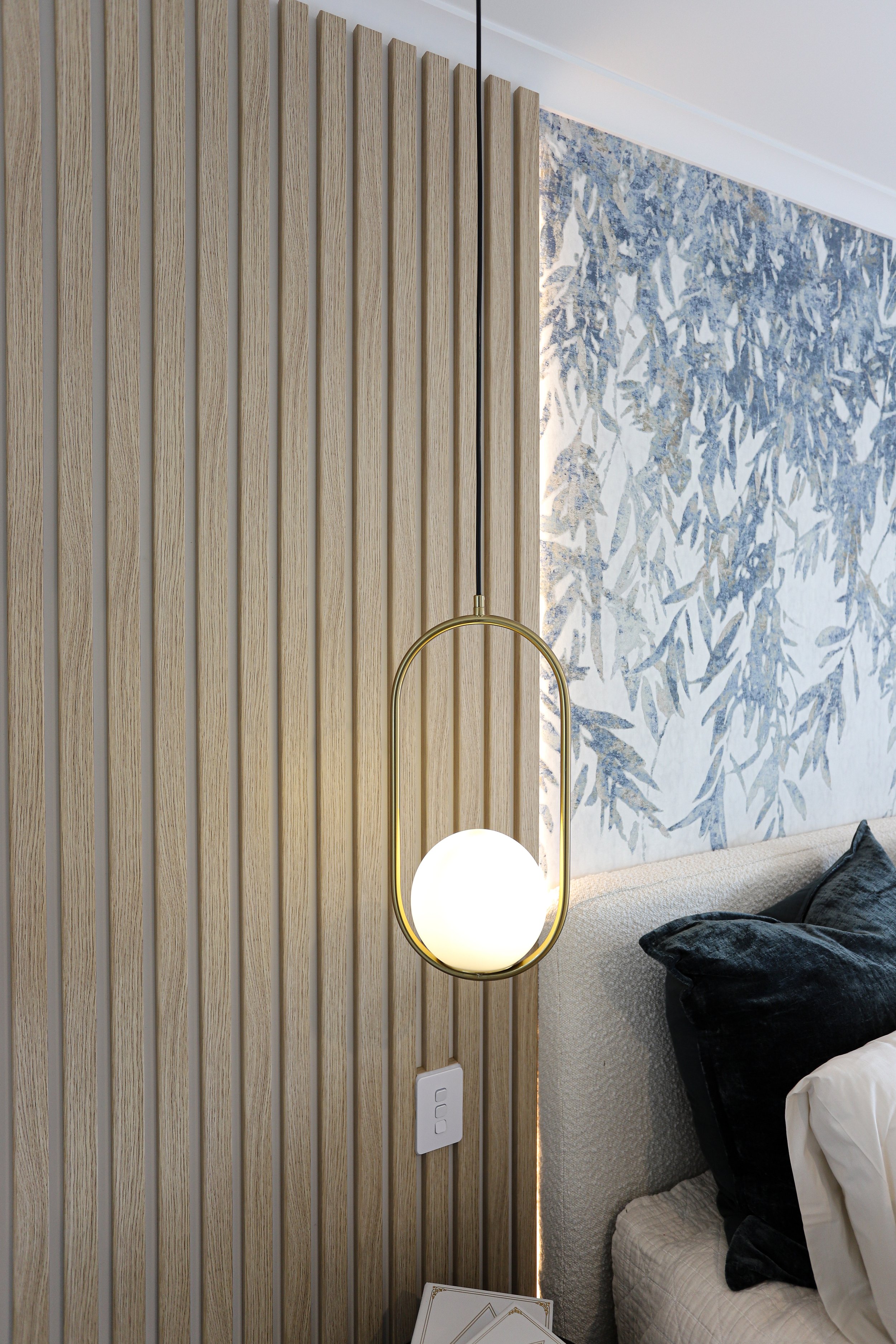
In many homes, cabinetry is something that gets added once the architecture is complete.
But in the most memorable interiors, joinery doesn’t simply fill a space - it helps define it.
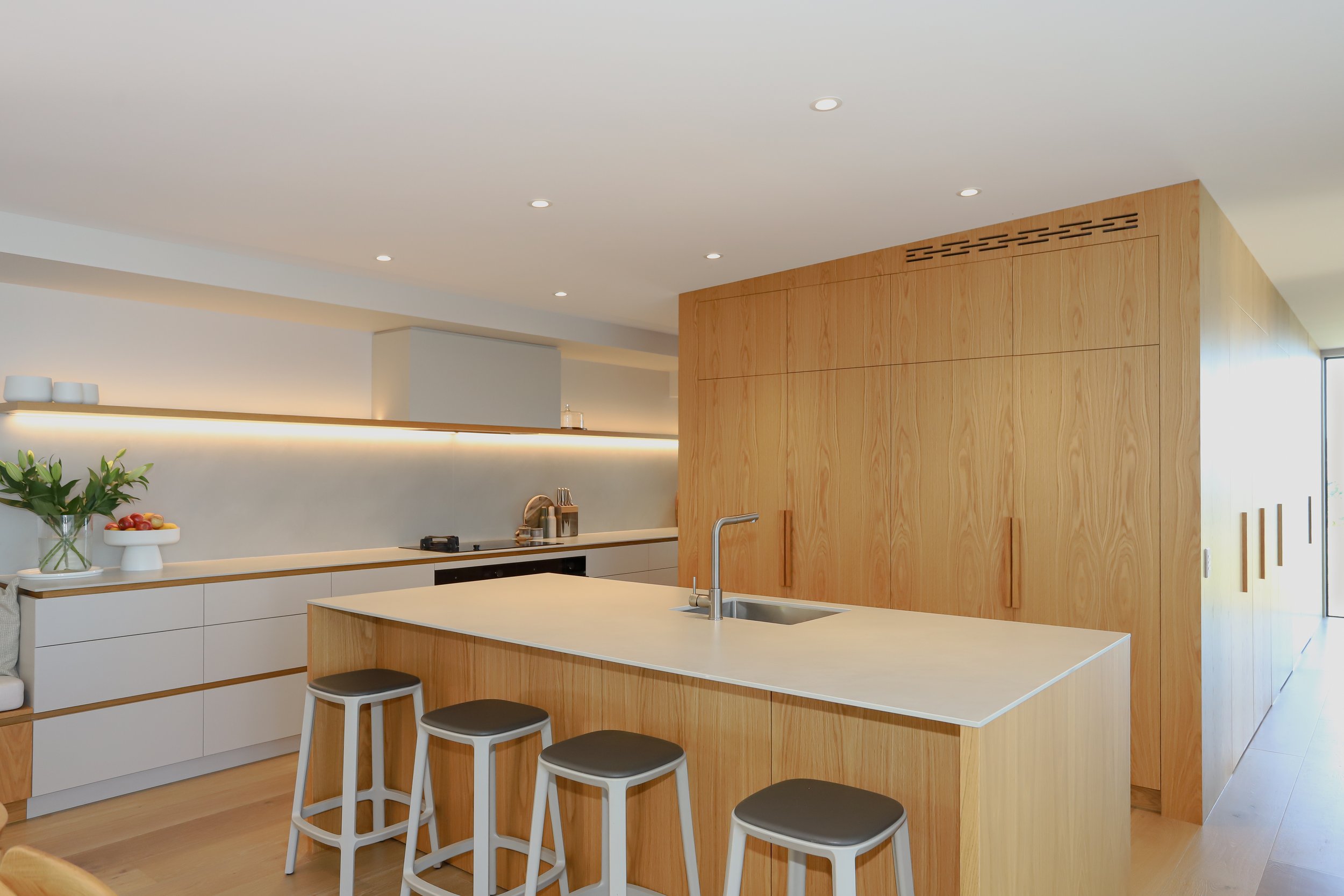
Wall lining is a powerful way to elevate interior design. When combined with integrated joinery, cabinetry can extend beyond cupboards and become part of the room’s architecture. As materials continue across cabinetry and walls, spaces feel calmer, more cohesive, and intentionally designed.
It’s a subtle design move, but one that can dramatically elevate the overall
feel of a home.
What Is Wall Lining?
Wall lining is the practice of extending joinery materials across walls or large surfaces so that cabinetry integrates with the surrounding architecture.
This approach can be used in many parts of the home, including:
Kitchen and dining areas
Living room media walls
Hallways and entry spaces
Wardrobes and bedroom walls
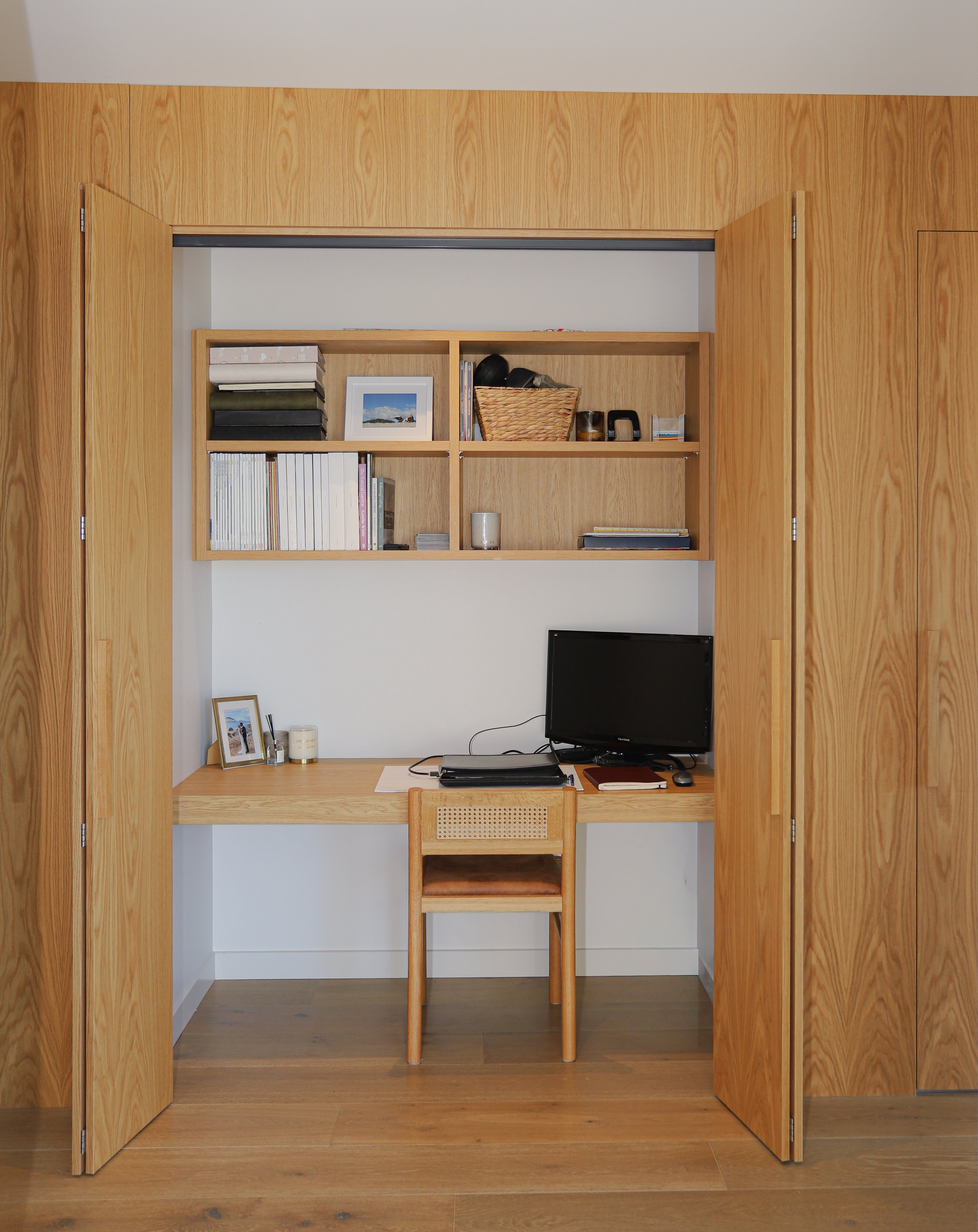
Home offices and study areas
Integrated wall lining can be achieved using a wide range of materials, including timber veneers, melamine panels, and painted finishes, allowing the concept to work across different budgets and interior styles.
The result is an interior where joinery and architecture feel like they belong together.
Why Integrated Joinery Transforms Interiors
Wall lining changes the way a space is experienced. Instead of multiple competing elements, the room becomes visually calm and balanced.
Seamless Design; Cabinetry blends into surrounding surfaces, creating clean lines and visual continuity.
Architectural Presence; Large panelled surfaces introduce rhythm, depth, and proportion, giving rooms a stronger architectural feel.
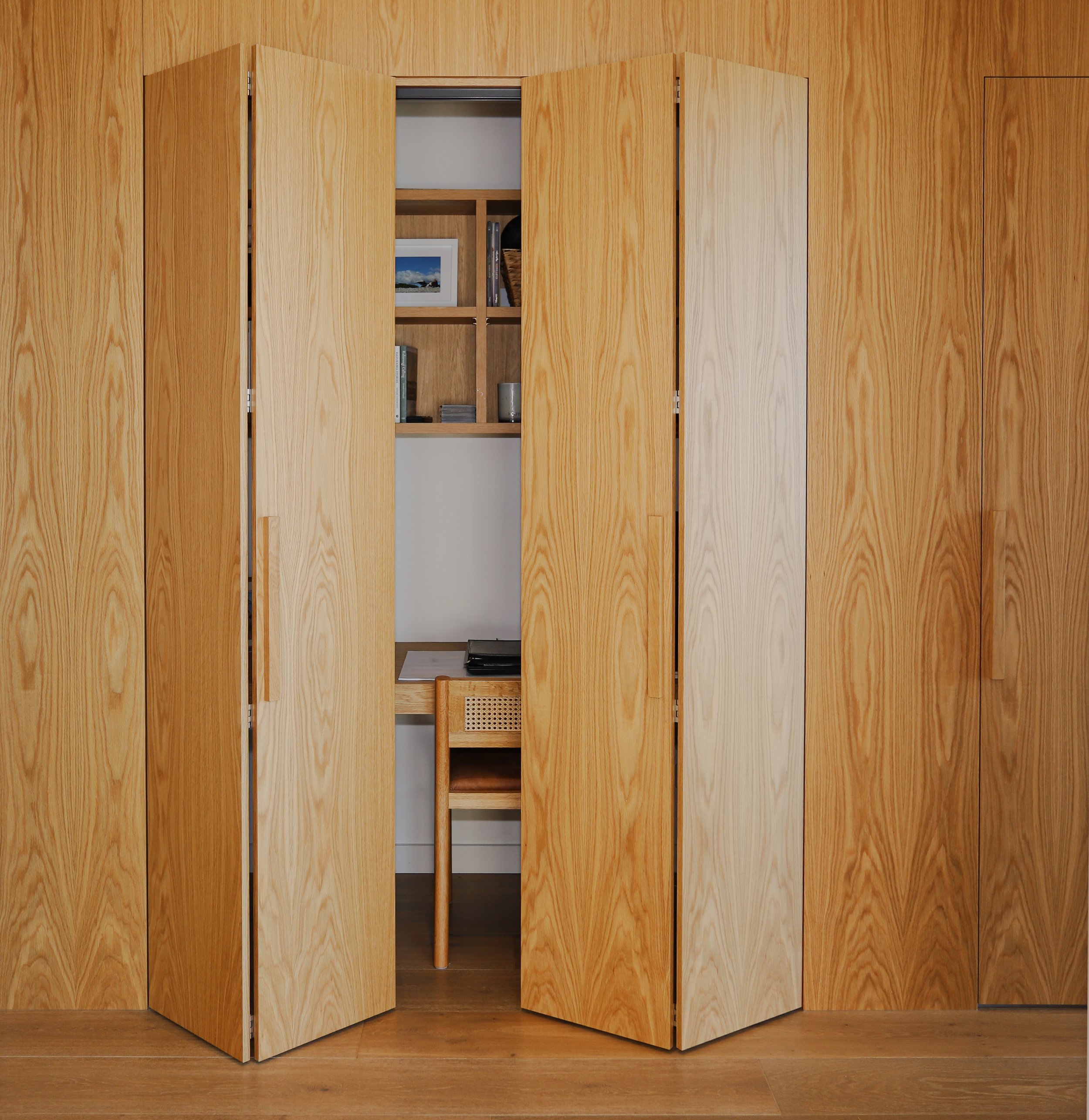
Concealed Function; Integrated wall surfaces make it possible to hide doors, storage, and appliances, helping spaces remain uncluttered and refined.
A Calmer Interior; Many beautifully designed homes feel calm because surfaces align, materials repeat, and visual noise is reduced. Integrated joinery plays a major role in achieving this.
Why Design Expertise Matters
While the idea of wall lining may sound simple, executing it successfully requires careful planning and design.
Materials need to flow consistently through the space. Panel layouts must align precisely. Doors, lighting, appliances, and storage must all integrate seamlessly.
When this coordination happens well, the result feels effortless. But achieving that level of refinement requires designers who understand both cabinetry and interior space.
It’s not simply about building cabinetry -it’s about designing how joinery interacts with the architecture of a home.
The Earlier Joinery Is Designed, The Better the Result
One of the most common missed opportunities in residential projects is that joinery design happens too late in the process.
When cabinetry is treated as a final step, it becomes difficult to integrate it with the architecture.
But when joinery design begins early, it opens the door to a far more cohesive interior - where cabinetry, walls, storage and materials all work together as part of a unified design.
The result is a home that feels more considered, more refined, and ultimately more memorable.
The most successful interiors are designed early.
Engage a designer before your project begins to unlock the full potential of integrated joinery.